Ask us anything
How long does the super heavy-duty load in a Kenmore washer supposed to last?
The duration of a super heavy-duty load cycle in a Kenmore washer can vary based on the specific model and its features, as well as factors such as load size, soil level, water temperature, and additional options selected. While I can provide a general idea, it's important to consult your washer's manual or control panel for precise information regarding cycle lengths. A super heavy-duty load cycle in a Kenmore washer is designed to handle heavily soiled and large loads, such as bedding, towels, and other bulky items. This cycle typically features extended wash times, higher agitation levels, and increased rinse cycles to ensure thorough cleaning. On average, a super heavy-duty load cycle in a Kenmore washer can last anywhere from 1.5 to 2.5 hours. However, it's important to note that this is an approximate duration, and it can vary based on the factors mentioned earlier. Factors that can influence the cycle duration include: 1. Load Size: Larger loads may require more time to ensure proper cleaning and rinsing. 2. Soil Level: The degree of soil on your laundry can impact the cycle duration. Super heavy-duty cycles often include longer wash times to address heavy soil. 3. Water Temperature: The temperature at which you're washing your clothes can influence the duration. Some cycles with higher water temperatures might require more time for heating. 4. Rinse Cycles: Super heavy-duty cycles often include multiple rinse cycles to ensure all detergent and soil are thoroughly removed. This can contribute to a longer cycle time. 5. Spin Speed: Higher spin speeds at the end of the cycle can impact the duration. Faster spins help extract more water, which can shorten drying times. 5. Additional Options: If your washer offers options like extra rinse, extended spin, or pre-soak, selecting these options can extend the cycle time. To find the exact duration of the super heavy-duty load cycle for your specific Kenmore washer model, I recommend checking the owner's manual or looking at the control panel of your washer. Many modern washers display estimated cycle times based on the selected settings. In conclusion, the super heavy-duty load cycle in a Kenmore washer is designed for heavily soiled and large loads and can generally last between 1.5 to 2.5 hours. However, for precise cycle duration information, refer to your washer's manual or control panel settings.
Need help with your washer? Book washer repair with Home Alliance's appliance technicians.

Similar Questions
- How long will it take to clean the ductwork in my home?
- refrigerator compressor reset button viking
- What does open hot outlet mean?
- How long should a Frigidaire dehumidifier last?
- How much does a Trane ComfortLink™ II thermostat installation typically cost for precise climate control?
- How do I clean and disinfect the Trane CleanEffects™ air filtration system to maintain air quality?
- Are Whole-House Humidifiers Worth It?
- How often should Kenmore 275 water softener regenerate?
- How often is routine maintenance required to prevent scaling issues in the Noritz NR66 OD model?
- What should I do when the intake/drain light flashes on my Miele G832GC dishwasher?
Similar Blog

July 03
3503
Home appliances
Sub Zero Freezer Troubleshooting Guide by HomeAlliance
When your Sub Zero freezer malfunctions, prompt troubleshooting is crucial to prevent food spoilage and damage. Explore Home Alliance's guide for solutions to c...
February 16
10079
Electrical
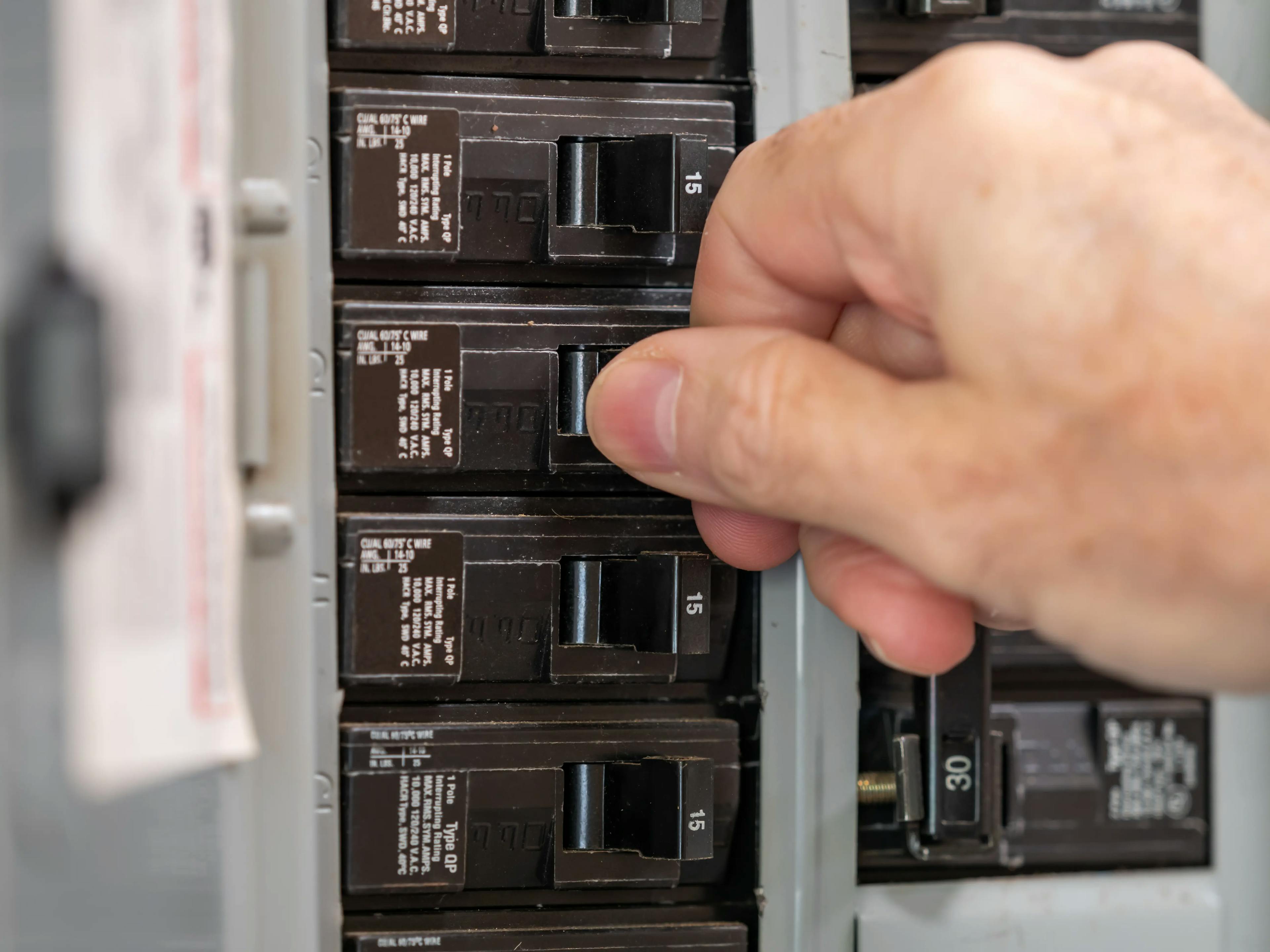
Troubleshooting a Tripped Breaker
Encountering a tripped breaker can disrupt your day and leave you scratching your head. In our latest blog, we dive into the nitty-gritty of troubleshooting thi...

March 19
92811
Home appliances
Why Is My Stove Making Popping Noises? How To Fix It?
Why Is My Gas Stove Making Popping Noises? Do you find yourself puzzled by the unsettling sounds coming from your kitchen? If you've ever wondered, "Why is my ...
Couldn't find the right question?
You can send your question to our support team. We'll get back to you as soon as possible