Ask us anything
How to clean and replace filters in my Coleman Echelon Series Gas Furnace?
Cleaning and replacing filters in your Coleman Echelon Series Gas Furnace is an essential maintenance task that ensures the system operates efficiently and maintains good indoor air quality. Regular filter maintenance can prolong the lifespan of your furnace and reduce energy consumption. Here's a step-by-step guide on how to clean and replace filters in your Coleman Echelon Series Gas Furnace:
1. Safety Precautions:
Before you begin any maintenance on your gas furnace, ensure your safety. Turn off the furnace's power at the main electrical panel or disconnect switch. Wait for the furnace to cool down before starting any work.
2. Locate the Filter Compartment:
The filter compartment in the Coleman Echelon Series Gas Furnace is typically located near the return air duct or blower compartment. Refer to your furnace's user manual if you're unsure of its exact location.
3. Check the Filter Type:
Check the type and size of the filter currently installed in your furnace. You can find this information on the filter itself or consult your furnace's manual. Ensure you purchase the correct replacement filter to maintain the system's efficiency.
4. Remove the Old Filter:
Gently slide or pull out the old filter from the filter compartment. Be cautious not to damage any surrounding components while doing this. Dispose of the old filter properly.
5. Clean the Filter Compartment:
While the filter is removed, take a moment to clean the filter compartment. Use a vacuum cleaner with a hose attachment to remove any dust or debris that may have accumulated. Ensure there are no obstructions in the ductwork leading to the filter compartment.
6. Install the New Filter:
Slide the new filter into the filter compartment, ensuring it's oriented correctly according to the arrows or labels on the filter. Make sure the filter fits snugly within the frame to prevent air bypass.
7. Record the Date:
To keep track of when you last replaced the filter, write down the installation date on the filter or in your maintenance log. This will help you remember when it's time for the next replacement.
8. Turn On the Furnace:
After the new filter is securely in place, turn the furnace's power back on at the main electrical panel or reconnect the switch. The furnace should now resume normal operation.
9. Regular Maintenance Schedule:
Filters in gas furnaces should ideally be checked monthly and replaced as needed. However, the frequency may vary depending on factors like the type of filter, household dust levels, and usage. High-efficiency filters may last longer but may also require more careful monitoring.
10. Professional Maintenance:
While regular filter maintenance is a homeowner's responsibility, it's essential to schedule annual professional furnace maintenance. A qualified technician can inspect the entire system, including the heat exchanger, gas lines, and electrical components, to ensure safe and efficient operation.
In conclusion, cleaning and replacing filters in your Coleman Echelon Series Gas Furnace is a relatively simple yet crucial task for maintaining your furnace's performance and indoor air quality. By following these steps and adhering to a regular maintenance schedule, you can enjoy the benefits of a well-functioning and efficient heating system while ensuring the health and comfort of your home. If you ever have doubts or encounter difficulties, consult your furnace's user manual or seek professional HVAC assistance to ensure the job is done correctly and safely.
1. Safety Precautions:
Before you begin any maintenance on your gas furnace, ensure your safety. Turn off the furnace's power at the main electrical panel or disconnect switch. Wait for the furnace to cool down before starting any work.
2. Locate the Filter Compartment:
The filter compartment in the Coleman Echelon Series Gas Furnace is typically located near the return air duct or blower compartment. Refer to your furnace's user manual if you're unsure of its exact location.
3. Check the Filter Type:
Check the type and size of the filter currently installed in your furnace. You can find this information on the filter itself or consult your furnace's manual. Ensure you purchase the correct replacement filter to maintain the system's efficiency.
4. Remove the Old Filter:
Gently slide or pull out the old filter from the filter compartment. Be cautious not to damage any surrounding components while doing this. Dispose of the old filter properly.
5. Clean the Filter Compartment:
While the filter is removed, take a moment to clean the filter compartment. Use a vacuum cleaner with a hose attachment to remove any dust or debris that may have accumulated. Ensure there are no obstructions in the ductwork leading to the filter compartment.
6. Install the New Filter:
Slide the new filter into the filter compartment, ensuring it's oriented correctly according to the arrows or labels on the filter. Make sure the filter fits snugly within the frame to prevent air bypass.
7. Record the Date:
To keep track of when you last replaced the filter, write down the installation date on the filter or in your maintenance log. This will help you remember when it's time for the next replacement.
8. Turn On the Furnace:
After the new filter is securely in place, turn the furnace's power back on at the main electrical panel or reconnect the switch. The furnace should now resume normal operation.
9. Regular Maintenance Schedule:
Filters in gas furnaces should ideally be checked monthly and replaced as needed. However, the frequency may vary depending on factors like the type of filter, household dust levels, and usage. High-efficiency filters may last longer but may also require more careful monitoring.
10. Professional Maintenance:
While regular filter maintenance is a homeowner's responsibility, it's essential to schedule annual professional furnace maintenance. A qualified technician can inspect the entire system, including the heat exchanger, gas lines, and electrical components, to ensure safe and efficient operation.
In conclusion, cleaning and replacing filters in your Coleman Echelon Series Gas Furnace is a relatively simple yet crucial task for maintaining your furnace's performance and indoor air quality. By following these steps and adhering to a regular maintenance schedule, you can enjoy the benefits of a well-functioning and efficient heating system while ensuring the health and comfort of your home. If you ever have doubts or encounter difficulties, consult your furnace's user manual or seek professional HVAC assistance to ensure the job is done correctly and safely.

Similar Questions
- Does the Lennox ML16XP1 Heat Pump require professional servicing for its two-stage operation?
- How to fix error F3 E0 on Amana oven?
- Does the sub-zero fridge have energy-saving features?
- How can I improve the airflow in my Lennox ELO183 Oil Furnace?
- Does the HVAC Company have a service plan to maintain and protect my system?
- How do I reset the filter replacement reminder on my Wolf WWD30 30" Warming Drawer?
- I'm calling to see if you guys repair refrigerators. Our refrigerator is a built-in KitchenAid refrigerator. And I was going to see if I could schedule an appointment or how much it is. A week or two ago, it wasn't staying cool. I had somebody come out; I think he refilled the freon. And now, when I turn it on, it goes really loud. Also, we'd be more comfortable if our technician was American. Not to be mean, it's because we had a problem in the past.
- How long does an electrical panel last?
- How to clean and replace filters in my Coleman Echelon Series Gas Furnace?
- How do I fix error code F70 on Miele dishwasher?
Similar Blog
January 18
9555
Electrical
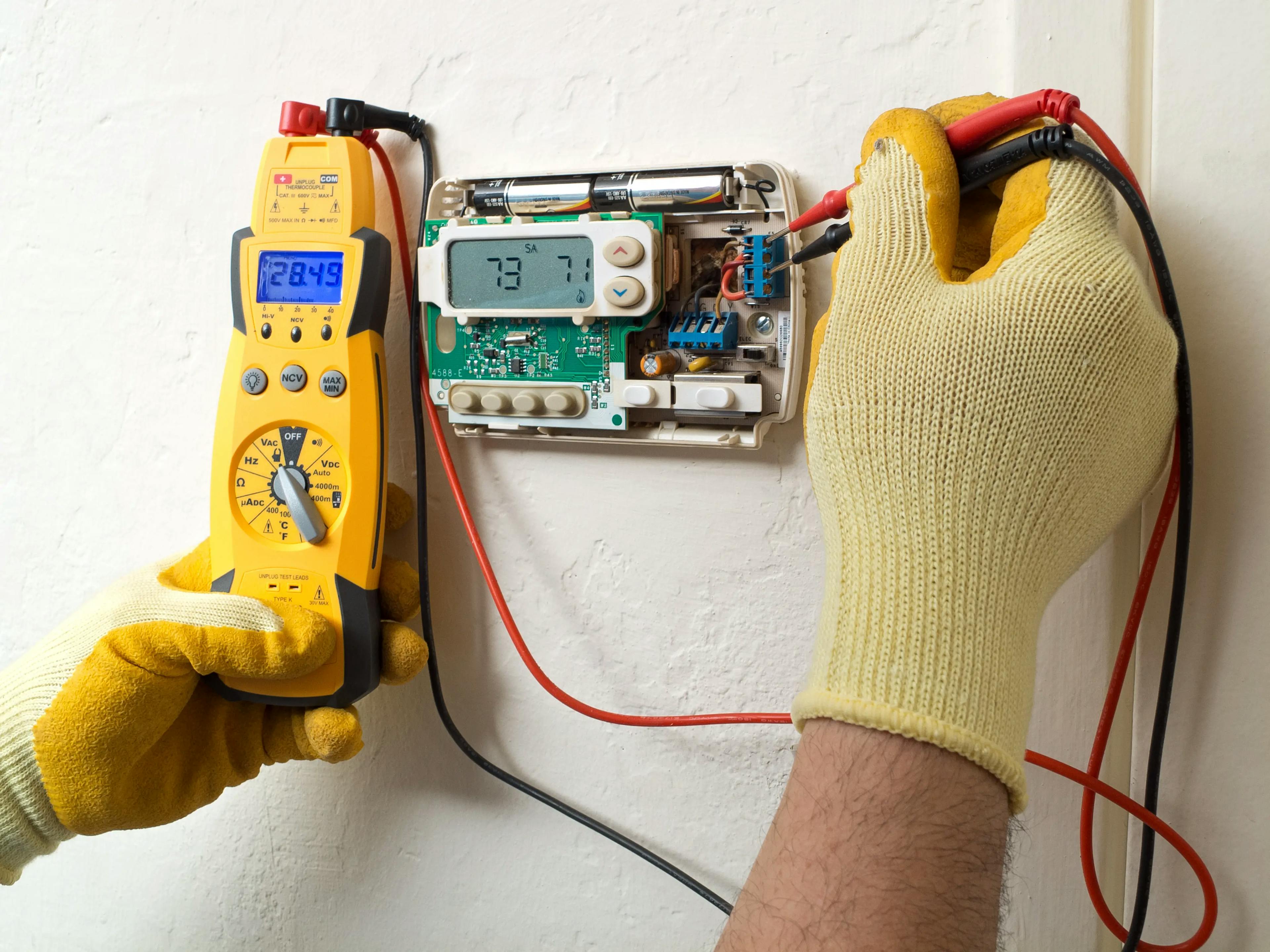
DIY electrical work on your home
It is important to prioritize safety when working on DIY electrical projects at home. Here are some essential safety precautions and equipment to consider: T...
September 05
9767
Home
Maximize the Natural Lighting in Your Home
In a home, natural light is always preferable to artificial lighting. It fills your space with a deep, full-spectrum hue that light bulbs can only attempt to im...
January 21
9747
Home appliances
Spotlight on Sustainable Appliances: Reducing Your Carbon Footprint
As environmental awareness continues to shape our choices, the quest for sustainable living extends to the heart of our homes - the appliances we use every day....
Couldn't find the right question?
You can send your question to our support team. We'll get back to you as soon as possible