Ask us anything
Is it ok to install the Noritz NR50 OD in a high-altitude location, and are there any adjustments needed?
The Noritz NR50 OD is a tankless water heater designed for outdoor use, and it is capable of operating at high altitudes. However, there are specific considerations and adjustments that may be necessary when installing a tankless water heater at high altitudes to ensure it operates optimally and safely.
High Altitude Considerations:
High-altitude installations are typically classified as those above 2,000 feet (approximately 610 meters) above sea level. As altitude increases, several factors come into play that can affect the combustion and performance of gas-fired appliances like tankless water heaters:
* Reduced Oxygen: At higher altitudes, the air contains less oxygen, which can affect the combustion process in gas appliances. Combustion requires a precise air-to-fuel ratio, and at high altitudes, adjustments are needed to maintain this ratio for efficient and safe operation.
* Gas Pressure: Gas pressure decreases as altitude increases. This can impact the flow rate of gas to the appliance and may require adjustments to ensure the correct fuel-to-air mixture.
* Flame Characteristics: At higher altitudes, the flame characteristics in gas appliances can change due to reduced oxygen and gas pressure. This can affect the stability and quality of combustion.
* Venting: Venting systems may need adjustments to account for the reduced oxygen levels and potential changes in combustion characteristics. Proper venting is crucial to remove combustion byproducts safely.
Adjustments for High Altitude Installation:
When installing the Noritz NR50 OD at high altitudes, it's essential to follow the manufacturer's guidelines and consult with a qualified technician or plumber experienced in high-altitude installations. Here are the typical adjustments that may be necessary:
* Air-Fuel Ratio: The gas valve on the tankless water heater may need to be adjusted to compensate for the reduced oxygen levels. This adjustment ensures that the unit receives the correct amount of gas for efficient combustion. The manufacturer should provide guidance on how to make this adjustment.
* Gas Pressure Regulator: A high-altitude gas pressure regulator may be required to maintain proper gas pressure to the unit. This regulator helps ensure a consistent flow of gas, even at higher elevations.
* Venting: Venting systems must be correctly sized and configured for high-altitude installations. Changes in combustion characteristics and reduced oxygen levels can affect the venting requirements. Ensure that the venting system is designed to handle the specific altitude of your installation.
* Professional Installation: High-altitude installations can be complex due to the need for precise adjustments and proper venting. It is highly recommended to have a qualified technician or plumber perform the installation to ensure it is done correctly and safely.
* Consult Local Codes: Be aware of any local building codes or regulations related to high-altitude installations. Compliance with these codes is essential for safety and regulatory compliance.
Manufacturer's Guidance:
Always refer to the Noritz NR50 OD's installation manual and any documentation provided by the manufacturer. The manual should include specific instructions for high-altitude installations, including the recommended adjustments and settings. Following the manufacturer's guidance is crucial to ensure the unit operates safely and efficiently.
In summary, the Noritz NR50 OD can be installed at high altitudes with the necessary adjustments and considerations. These adjustments typically involve optimizing the air-fuel ratio, using a high-altitude gas pressure regulator, ensuring proper venting, and consulting with a professional installer experienced in high-altitude installations. By following the manufacturer's guidelines and local codes, you can enjoy the benefits of a tankless water heater in a high-altitude location while ensuring safe and efficient operation.
High Altitude Considerations:
High-altitude installations are typically classified as those above 2,000 feet (approximately 610 meters) above sea level. As altitude increases, several factors come into play that can affect the combustion and performance of gas-fired appliances like tankless water heaters:
* Reduced Oxygen: At higher altitudes, the air contains less oxygen, which can affect the combustion process in gas appliances. Combustion requires a precise air-to-fuel ratio, and at high altitudes, adjustments are needed to maintain this ratio for efficient and safe operation.
* Gas Pressure: Gas pressure decreases as altitude increases. This can impact the flow rate of gas to the appliance and may require adjustments to ensure the correct fuel-to-air mixture.
* Flame Characteristics: At higher altitudes, the flame characteristics in gas appliances can change due to reduced oxygen and gas pressure. This can affect the stability and quality of combustion.
* Venting: Venting systems may need adjustments to account for the reduced oxygen levels and potential changes in combustion characteristics. Proper venting is crucial to remove combustion byproducts safely.
Adjustments for High Altitude Installation:
When installing the Noritz NR50 OD at high altitudes, it's essential to follow the manufacturer's guidelines and consult with a qualified technician or plumber experienced in high-altitude installations. Here are the typical adjustments that may be necessary:
* Air-Fuel Ratio: The gas valve on the tankless water heater may need to be adjusted to compensate for the reduced oxygen levels. This adjustment ensures that the unit receives the correct amount of gas for efficient combustion. The manufacturer should provide guidance on how to make this adjustment.
* Gas Pressure Regulator: A high-altitude gas pressure regulator may be required to maintain proper gas pressure to the unit. This regulator helps ensure a consistent flow of gas, even at higher elevations.
* Venting: Venting systems must be correctly sized and configured for high-altitude installations. Changes in combustion characteristics and reduced oxygen levels can affect the venting requirements. Ensure that the venting system is designed to handle the specific altitude of your installation.
* Professional Installation: High-altitude installations can be complex due to the need for precise adjustments and proper venting. It is highly recommended to have a qualified technician or plumber perform the installation to ensure it is done correctly and safely.
* Consult Local Codes: Be aware of any local building codes or regulations related to high-altitude installations. Compliance with these codes is essential for safety and regulatory compliance.
Manufacturer's Guidance:
Always refer to the Noritz NR50 OD's installation manual and any documentation provided by the manufacturer. The manual should include specific instructions for high-altitude installations, including the recommended adjustments and settings. Following the manufacturer's guidance is crucial to ensure the unit operates safely and efficiently.
In summary, the Noritz NR50 OD can be installed at high altitudes with the necessary adjustments and considerations. These adjustments typically involve optimizing the air-fuel ratio, using a high-altitude gas pressure regulator, ensuring proper venting, and consulting with a professional installer experienced in high-altitude installations. By following the manufacturer's guidelines and local codes, you can enjoy the benefits of a tankless water heater in a high-altitude location while ensuring safe and efficient operation.

Similar Questions
- What should I do if I have a leaky faucet?
- How long is the KitchenAid dough cycle?
- What does dual zone mean on lg dishwasher?
- Is it okay to plug a Frigidaire mini fridge in after you unplug it?
- WHAT CAN I DO TO IMPROVE INDOOR AIR QUALITY?
- Does the Rheem Classic Series Two-Stage Air Conditioner (RA17) offer advantages significant enough to justify its price compared to single-stage models?
- Miele HEPA AirClean 50 filter, how to replace?
- Is it okay to perform maintenance on my Takagi TK-540X3-NIH water heater without professional help?
- how to fix maytag model medx500xw1 dryer not heating up
- When Should Ductwork Be Cleaned?
Similar Blog

March 24
9235
Home appliances
Comprehensive Guide to Preventing Water Leaks in Home Appliances
Are you tired of dealing with pesky water leaks from your home appliances? Look no further! In this comprehensive guide, we delve into the nitty-gritty of preve...

September 05
9150
Heating and Cooling
The Importance of Indoor Air Quality and How to Improve It
Poor indoor air quality is one of the risks that we face daily but may easily avoid. Many individuals are unaware that air pollution affects both indoor and out...
September 05
7128
Home
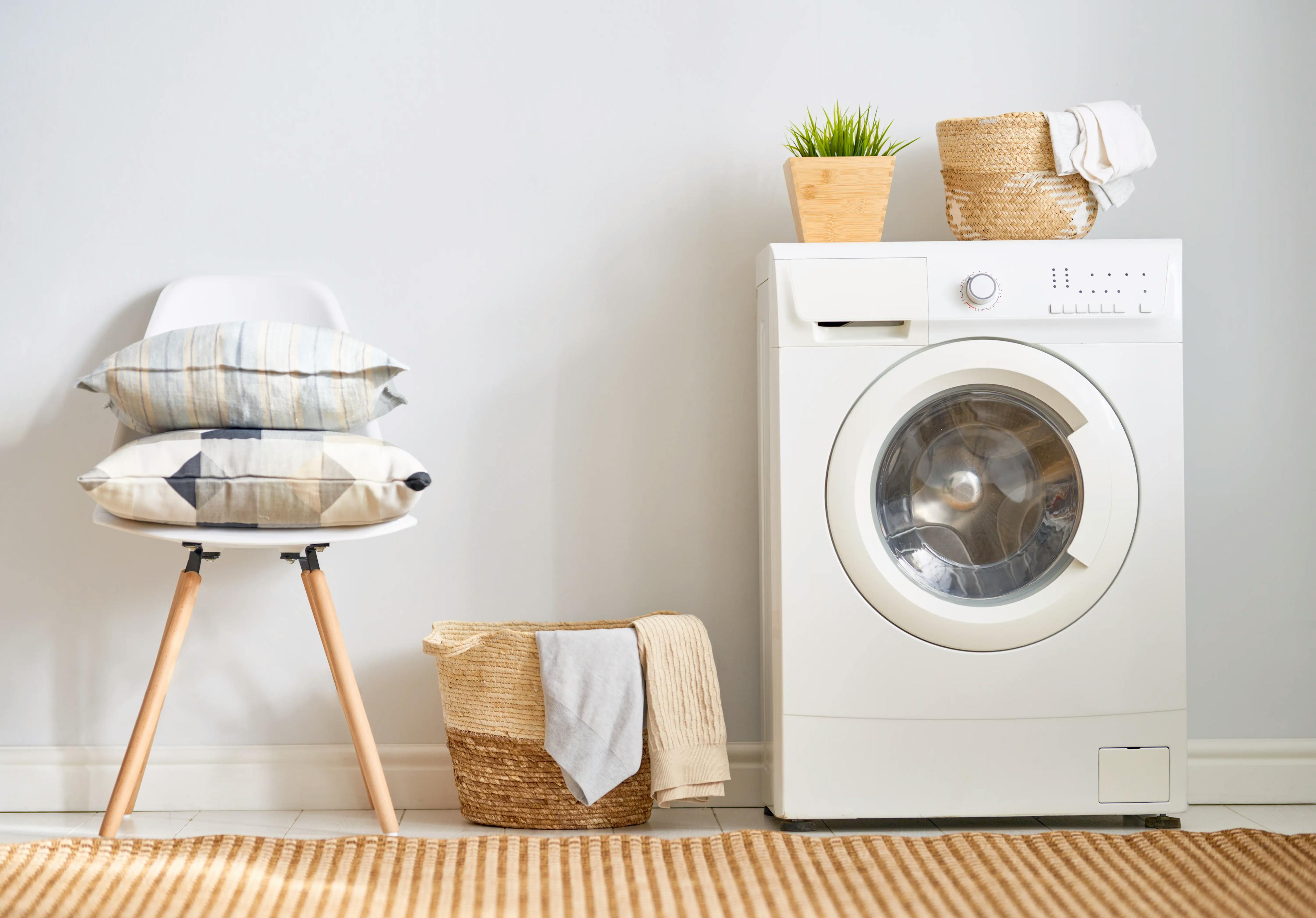
Creating an Organized and Functional Laundry Room
Washing and drying soiled garments isn't always enough to complete a load of laundry. Other laundry-related tasks include hand-washing delicates, separating dar...
Couldn't find the right question?
You can send your question to our support team. We'll get back to you as soon as possible