Ask us anything
Should I clean and inspect the coils on the York YH2E 14.3 SEER2 Single-Stage Heat Pump as part of routine maintenance?
Yes, cleaning and inspecting the coils on your York YH2E 14.3 SEER2 Single-Stage Heat Pump should be a part of your routine maintenance plan. Proper maintenance of your heat pump's coils is essential to ensure its efficient operation and longevity. Here are several reasons why you should include coil cleaning and inspection in your regular maintenance routine:
Optimal Heat Transfer: The coils in your heat pump play a critical role in transferring heat. The evaporator coil inside your home absorbs heat from indoor air, while the condenser coil outside releases that heat into the outdoor air. If these coils become dirty or covered in debris, it can hinder heat transfer, reducing the efficiency of your heat pump. Cleaning the coils ensures that heat transfer remains efficient.
Energy Efficiency: A clean and well-maintained heat pump operates more efficiently, which can lead to lower energy bills. When coils are dirty, the heat pump has to work harder to achieve the desired indoor temperature, consuming more energy in the process. Regular coil maintenance can help keep your energy consumption in check.
Extended Lifespan: A heat pump that undergoes routine maintenance, including coil cleaning and inspection, is likely to have a longer lifespan. Dirty coils can lead to increased wear and tear on the system, potentially causing premature failure. By keeping the coils clean and inspecting for any issues, you can help ensure your heat pump operates reliably for many years.
Improved Air Quality: A clean evaporator coil helps remove moisture from indoor air, reducing humidity levels and improving indoor air quality. Additionally, clean coils are less likely to harbor mold, bacteria, or other contaminants that could be circulated into your home's air.
Prevent Ice Formation: In the winter, a heat pump's outdoor coil can accumulate ice during cold weather operation. Regular inspection of the coils can help you detect any ice buildup early, preventing potential damage to the unit and ensuring it operates efficiently.
Maintain Warranty: Many manufacturers require routine maintenance, including coil cleaning, to keep the warranty valid. Neglecting maintenance could void your warranty, potentially leaving you responsible for costly repairs or replacements.
Here are some steps to consider when cleaning and inspecting your heat pump's coils:
Evaporator Coil (Indoor):
* Turn off the power to the heat pump.
* Remove the access panel to access the indoor coil.
* Use a soft brush or a coil cleaning solution recommended by the manufacturer to gently clean the coil's fins and surfaces.
* Inspect for any signs of damage, such as bent fins or leaks, and address any issues.
Condenser Coil (Outdoor):
* Turn off the power to the heat pump.
* Remove debris such as leaves, grass, and dirt from around the outdoor unit.
* Use a garden hose with a spray nozzle to clean the condenser coil. Spray from the inside out to avoid pushing debris further into the coil.
* Inspect for damage, including bent fins and signs of wear.
It's important to note that while some homeowners can perform basic coil cleaning and inspection themselves, more extensive maintenance or repairs should be left to a qualified HVAC technician. Additionally, always refer to your heat pump's manufacturer's guidelines for specific maintenance recommendations and schedules. Regular coil maintenance will help ensure your York YH2E 14.3 SEER2 Single-Stage Heat Pump operates efficiently and reliably, providing comfort for your home while reducing energy costs and the risk of costly repairs.
Optimal Heat Transfer: The coils in your heat pump play a critical role in transferring heat. The evaporator coil inside your home absorbs heat from indoor air, while the condenser coil outside releases that heat into the outdoor air. If these coils become dirty or covered in debris, it can hinder heat transfer, reducing the efficiency of your heat pump. Cleaning the coils ensures that heat transfer remains efficient.
Energy Efficiency: A clean and well-maintained heat pump operates more efficiently, which can lead to lower energy bills. When coils are dirty, the heat pump has to work harder to achieve the desired indoor temperature, consuming more energy in the process. Regular coil maintenance can help keep your energy consumption in check.
Extended Lifespan: A heat pump that undergoes routine maintenance, including coil cleaning and inspection, is likely to have a longer lifespan. Dirty coils can lead to increased wear and tear on the system, potentially causing premature failure. By keeping the coils clean and inspecting for any issues, you can help ensure your heat pump operates reliably for many years.
Improved Air Quality: A clean evaporator coil helps remove moisture from indoor air, reducing humidity levels and improving indoor air quality. Additionally, clean coils are less likely to harbor mold, bacteria, or other contaminants that could be circulated into your home's air.
Prevent Ice Formation: In the winter, a heat pump's outdoor coil can accumulate ice during cold weather operation. Regular inspection of the coils can help you detect any ice buildup early, preventing potential damage to the unit and ensuring it operates efficiently.
Maintain Warranty: Many manufacturers require routine maintenance, including coil cleaning, to keep the warranty valid. Neglecting maintenance could void your warranty, potentially leaving you responsible for costly repairs or replacements.
Here are some steps to consider when cleaning and inspecting your heat pump's coils:
Evaporator Coil (Indoor):
* Turn off the power to the heat pump.
* Remove the access panel to access the indoor coil.
* Use a soft brush or a coil cleaning solution recommended by the manufacturer to gently clean the coil's fins and surfaces.
* Inspect for any signs of damage, such as bent fins or leaks, and address any issues.
Condenser Coil (Outdoor):
* Turn off the power to the heat pump.
* Remove debris such as leaves, grass, and dirt from around the outdoor unit.
* Use a garden hose with a spray nozzle to clean the condenser coil. Spray from the inside out to avoid pushing debris further into the coil.
* Inspect for damage, including bent fins and signs of wear.
It's important to note that while some homeowners can perform basic coil cleaning and inspection themselves, more extensive maintenance or repairs should be left to a qualified HVAC technician. Additionally, always refer to your heat pump's manufacturer's guidelines for specific maintenance recommendations and schedules. Regular coil maintenance will help ensure your York YH2E 14.3 SEER2 Single-Stage Heat Pump operates efficiently and reliably, providing comfort for your home while reducing energy costs and the risk of costly repairs.

Similar Questions
- How to install KitchenAid W10712394 replacement kit?
- How much does it cost to replace the gas valve in a Trane XC95m modulating gas furnace for efficiency?
- My refrigerator is not cooling; the freezer has cool air, but it's not freezing, and the bottom is not cool enough either. It's a used Frigidaire refrigerator, so I'm not sure how old it is. Can you give me an estimate?
- How to replace anode rod in A.E. Smith gas water heater?
- Why does my Amana furnace have 2 pipes?
- How much does it cost to replace the condenser coil in a Trane XL20i air conditioner?
- How to install and maintain the Coleman M Series 16 SEER Multi Zone Mini Split Heat Pump System?
- i left my door open on sub zero 690 and now it want turn on, how do you reset
- I have an appointment for oven repair this morning. I just want to make sure that I'm still on the schedule for somebody between 9 and 12 this morning.
- Where is the cancel button on a Frigidaire oven?
Similar Blog
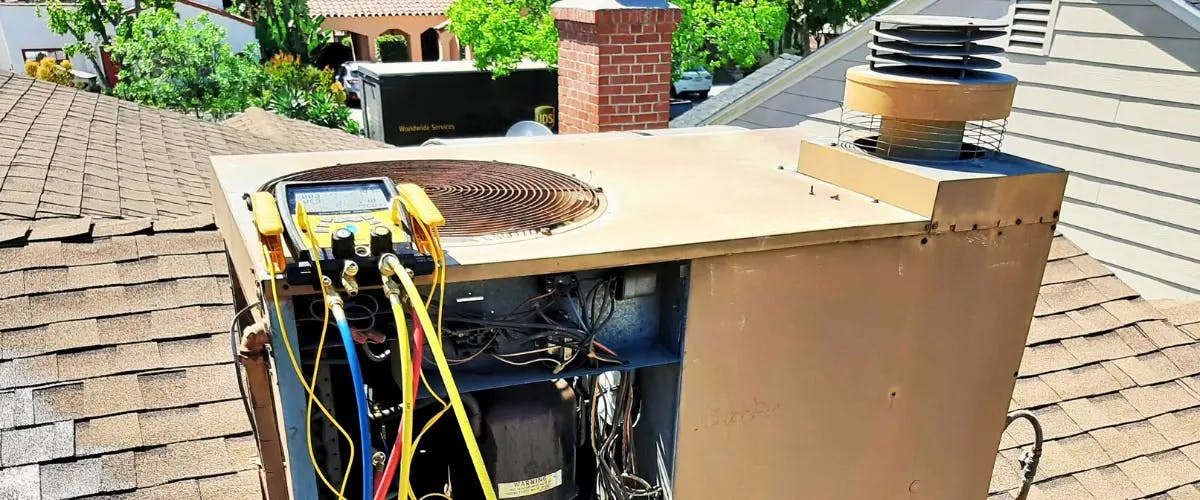
March 19
9155
Heating and Cooling
Maximizing Energy Efficiency with HVAC Maintenance
In the quest for comfortable living spaces and cost-effective energy usage, one vital aspect often overlooked is HVAC maintenance. Maximizing Energy Efficiency ...
June 13
8637
Home appliances
Fixing Common Problems With Your Dryer
Is your trusty dryer giving you a hard time lately? You're not alone! Dryers are essential appliances that make our lives easier, but they can encounter common ...

November 06
1091
Home appliances
Major Appliance Repair: What You Need to Know
When your major appliance breaks down, it can throw your household into chaos. From a malfunctioning refrigerator to a faulty washing machine, these essential d...
Couldn't find the right question?
You can send your question to our support team. We'll get back to you as soon as possible