Ask us anything
Why does not have A. O. Smith torch oxygen when the button is pressed?
If your A.O. Smith water heater's pilot light or burner does not ignite when the ignition button is pressed, several factors could be causing this issue. Troubleshooting the problem may involve checking various components and performing specific steps to identify and resolve the root cause. Here are some common reasons why an A.O. Smith water heater may not ignite when the ignition button is pressed:
1. No Gas Supply: The most common reason for the pilot or burner not igniting is a lack of gas supply to the water heater. This can occur if the gas supply valve is closed or partially closed. Ensure that the gas supply valve leading to the water heater is fully open.
2. Pilot Light Out: If the pilot light is out, the burner will not ignite. This can happen due to various reasons, such as a gust of wind blowing it out or a malfunction in the pilot assembly. Follow these steps to relight the pilot light:
* Turn the thermostat control knob to the "Pilot" position.
* Depress and hold down the pilot control button or knob to allow gas to flow to the pilot assembly.
* Use a long lighter or match to carefully ignite the pilot flame at the pilot assembly.
* Continue holding down the pilot control button for about 30 seconds to ensure the pilot flame stabilizes.
* Release the pilot control button and turn the thermostat control knob to your desired temperature setting.
3. Thermocouple Issues: The thermocouple is a safety device that detects the presence of a pilot flame. If it does not sense a pilot flame, it will prevent gas from flowing to the burner as a safety measure. The thermocouple may be dirty, damaged, or improperly positioned, causing it to shut off the gas supply. Cleaning or replacing the thermocouple may resolve the issue.
4. Ignition System Malfunction: In some models, there may be an electronic ignition system that sparks to ignite the pilot or main burner. If this system is malfunctioning, it may not generate the necessary spark to light the pilot or burner. In such cases, the ignition system may need repair or replacement.
5. Gas Supply Pressure: Insufficient gas supply pressure can prevent the pilot and burner from igniting correctly. Gas pressure should be within the recommended range specified in the water heater's manual. If the gas pressure is too low, you may need to contact your gas utility provider to address the issue.
6. Blockages or Obstructions: Blockages or obstructions in the gas line, pilot assembly, or burner can impede the flow of gas, preventing ignition. Inspect these components for any debris, dirt, or blockages, and clean or clear them as needed.
7. Thermostat Issues: A malfunctioning thermostat may not signal the water heater to ignite. Test the thermostat by turning it to a higher temperature setting and listening for the sound of the gas valve opening. If you do not hear the gas valve open, the thermostat may need replacement.
8. Safety Lockout: Some water heaters have safety features that can lock out the burner if there have been repeated ignition failures. Check your water heater's manual for instructions on resetting the safety lockout feature if necessary.
9. Electrical Problems (Electronic Ignition): If your water heater has an electronic ignition system, electrical issues such as a faulty control board, wiring problems, or a blown fuse can prevent ignition. These issues may require professional diagnosis and repair.
10. Exhaust or Venting Issues (Gas Water Heaters): Blocked or improperly vented exhaust systems can affect the combustion process and prevent ignition. Ensure that the venting is clear of obstructions and installed correctly.
It's important to note that working with gas appliances can be dangerous, and safety precautions must be followed. If you are unsure about any aspect of troubleshooting or if the issue persists after basic troubleshooting steps, it is highly recommended to contact a qualified technician or plumber to diagnose and resolve the problem safely and effectively. Additionally, refer to your A.O. Smith water heater's user manual for model-specific guidance on troubleshooting and maintenance.
1. No Gas Supply: The most common reason for the pilot or burner not igniting is a lack of gas supply to the water heater. This can occur if the gas supply valve is closed or partially closed. Ensure that the gas supply valve leading to the water heater is fully open.
2. Pilot Light Out: If the pilot light is out, the burner will not ignite. This can happen due to various reasons, such as a gust of wind blowing it out or a malfunction in the pilot assembly. Follow these steps to relight the pilot light:
* Turn the thermostat control knob to the "Pilot" position.
* Depress and hold down the pilot control button or knob to allow gas to flow to the pilot assembly.
* Use a long lighter or match to carefully ignite the pilot flame at the pilot assembly.
* Continue holding down the pilot control button for about 30 seconds to ensure the pilot flame stabilizes.
* Release the pilot control button and turn the thermostat control knob to your desired temperature setting.
3. Thermocouple Issues: The thermocouple is a safety device that detects the presence of a pilot flame. If it does not sense a pilot flame, it will prevent gas from flowing to the burner as a safety measure. The thermocouple may be dirty, damaged, or improperly positioned, causing it to shut off the gas supply. Cleaning or replacing the thermocouple may resolve the issue.
4. Ignition System Malfunction: In some models, there may be an electronic ignition system that sparks to ignite the pilot or main burner. If this system is malfunctioning, it may not generate the necessary spark to light the pilot or burner. In such cases, the ignition system may need repair or replacement.
5. Gas Supply Pressure: Insufficient gas supply pressure can prevent the pilot and burner from igniting correctly. Gas pressure should be within the recommended range specified in the water heater's manual. If the gas pressure is too low, you may need to contact your gas utility provider to address the issue.
6. Blockages or Obstructions: Blockages or obstructions in the gas line, pilot assembly, or burner can impede the flow of gas, preventing ignition. Inspect these components for any debris, dirt, or blockages, and clean or clear them as needed.
7. Thermostat Issues: A malfunctioning thermostat may not signal the water heater to ignite. Test the thermostat by turning it to a higher temperature setting and listening for the sound of the gas valve opening. If you do not hear the gas valve open, the thermostat may need replacement.
8. Safety Lockout: Some water heaters have safety features that can lock out the burner if there have been repeated ignition failures. Check your water heater's manual for instructions on resetting the safety lockout feature if necessary.
9. Electrical Problems (Electronic Ignition): If your water heater has an electronic ignition system, electrical issues such as a faulty control board, wiring problems, or a blown fuse can prevent ignition. These issues may require professional diagnosis and repair.
10. Exhaust or Venting Issues (Gas Water Heaters): Blocked or improperly vented exhaust systems can affect the combustion process and prevent ignition. Ensure that the venting is clear of obstructions and installed correctly.
It's important to note that working with gas appliances can be dangerous, and safety precautions must be followed. If you are unsure about any aspect of troubleshooting or if the issue persists after basic troubleshooting steps, it is highly recommended to contact a qualified technician or plumber to diagnose and resolve the problem safely and effectively. Additionally, refer to your A.O. Smith water heater's user manual for model-specific guidance on troubleshooting and maintenance.

Similar Questions
- I called a little while ago for a schedule for my mother's place. I have the make and year for the refrigerator. It's a Kenmore fridge that's about 5 years old. I don't think it's under warranty anymore. I'll google the model number if it is still under warranty. It probably needs defrosting, but I'll call you back once something changes.
- How to reset gas supply on Whirlpool model #BFG1H4040T3NOV gas hot water heater?
- I just wanted to confirm that I'm still on the docket for a visit between 3 and 6 PM. There was a switch in the technician, so I want to make sure that we're still on.
- How to replace the light bulb in Frigidaire side by side refrigerator?
- I'm calling to follow up on a part we ordered. And I thought someone come out today or tomorrow to continue the service.
- Is the Classic Series Two-Stage Air Conditioner (RA17) okay for my home, providing a balance of comfort and cost savings?
- Is it okay to install the Rheem R98MV Endeavor Line Prestige Series Gas Furnace in my home, considering its advanced features?
- How long is the super wash cycle on a Kenmore Series 400?
- What’s the best way to check for toilet leaks?
- How to remove/replace gas valve on A.O. Smith 50-gallon gas water heater?
Similar Blog
January 19
9886
Electrical
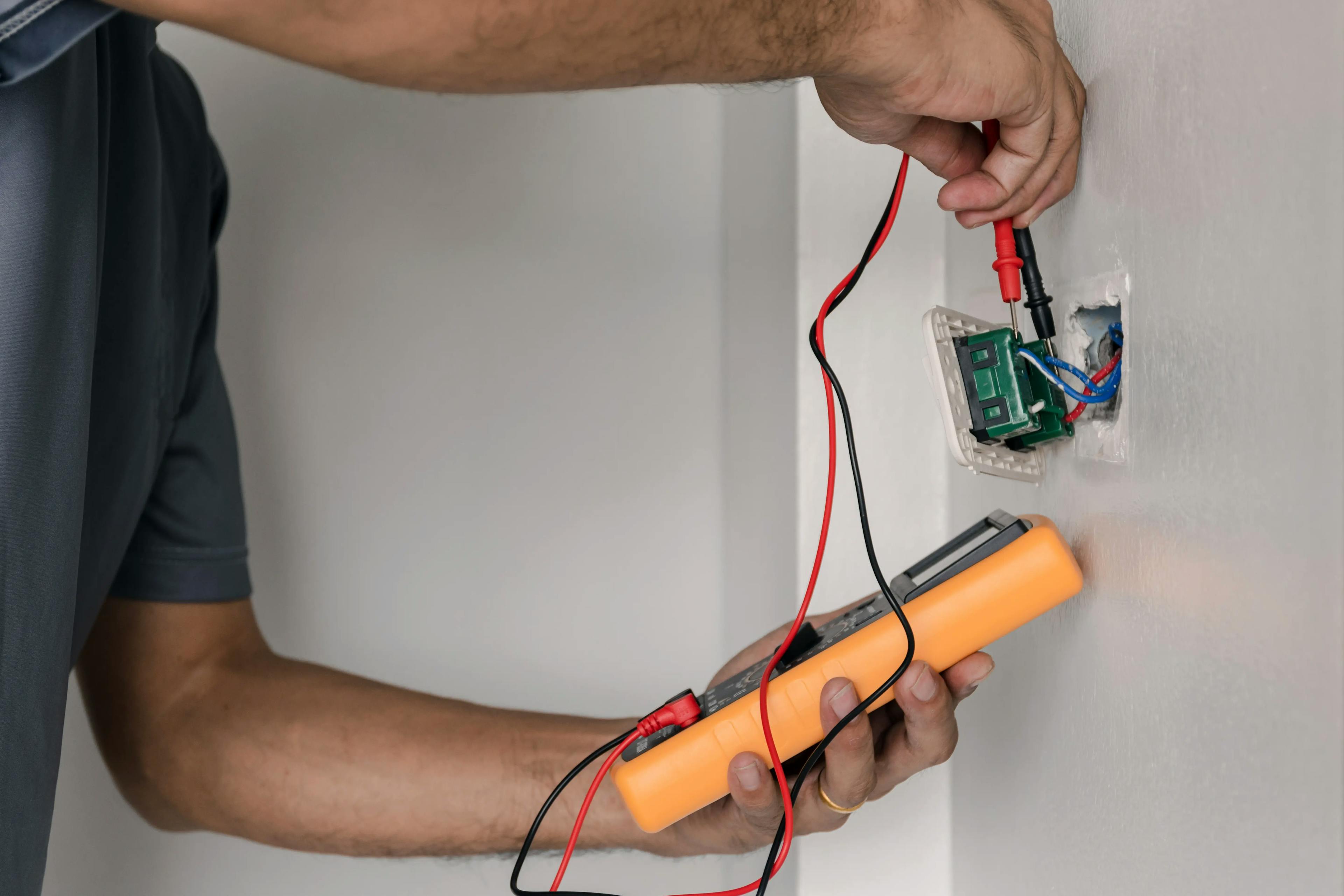
7 Signs You Need To Replace Your Old Electrical Outlets
Is your home's electrical system giving you signals that it's time for an upgrade? Electrical outlets play a fundamental role in powering our modern lives, but ...
August 21
1056
Plumbing
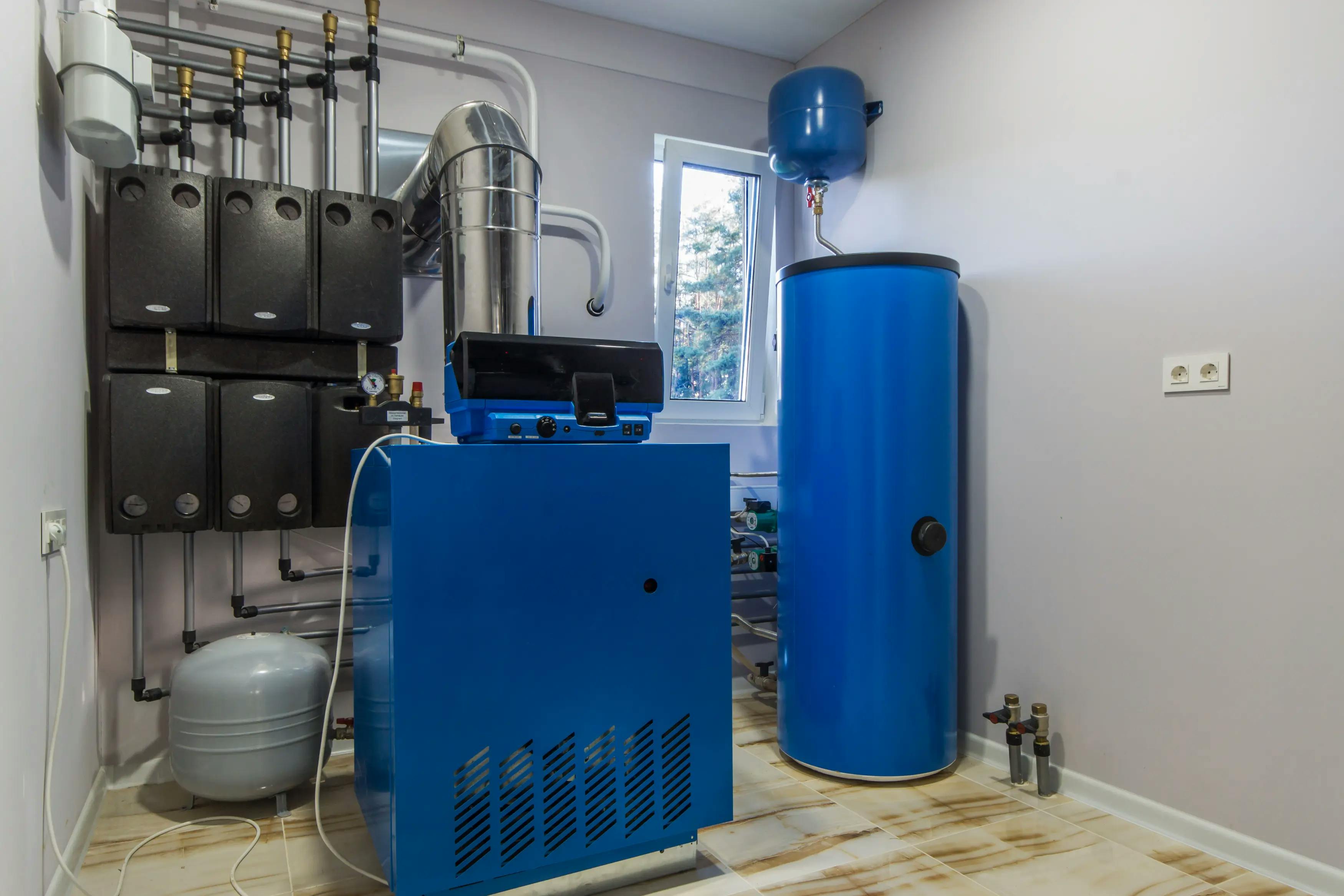
10 Common Furnace Problems and Their Solutions
A well-functioning furnace is crucial for maintaining a comfortable home during colder months, but like any appliance, it can run into issues over time. From in...
September 16
8209
Electrical
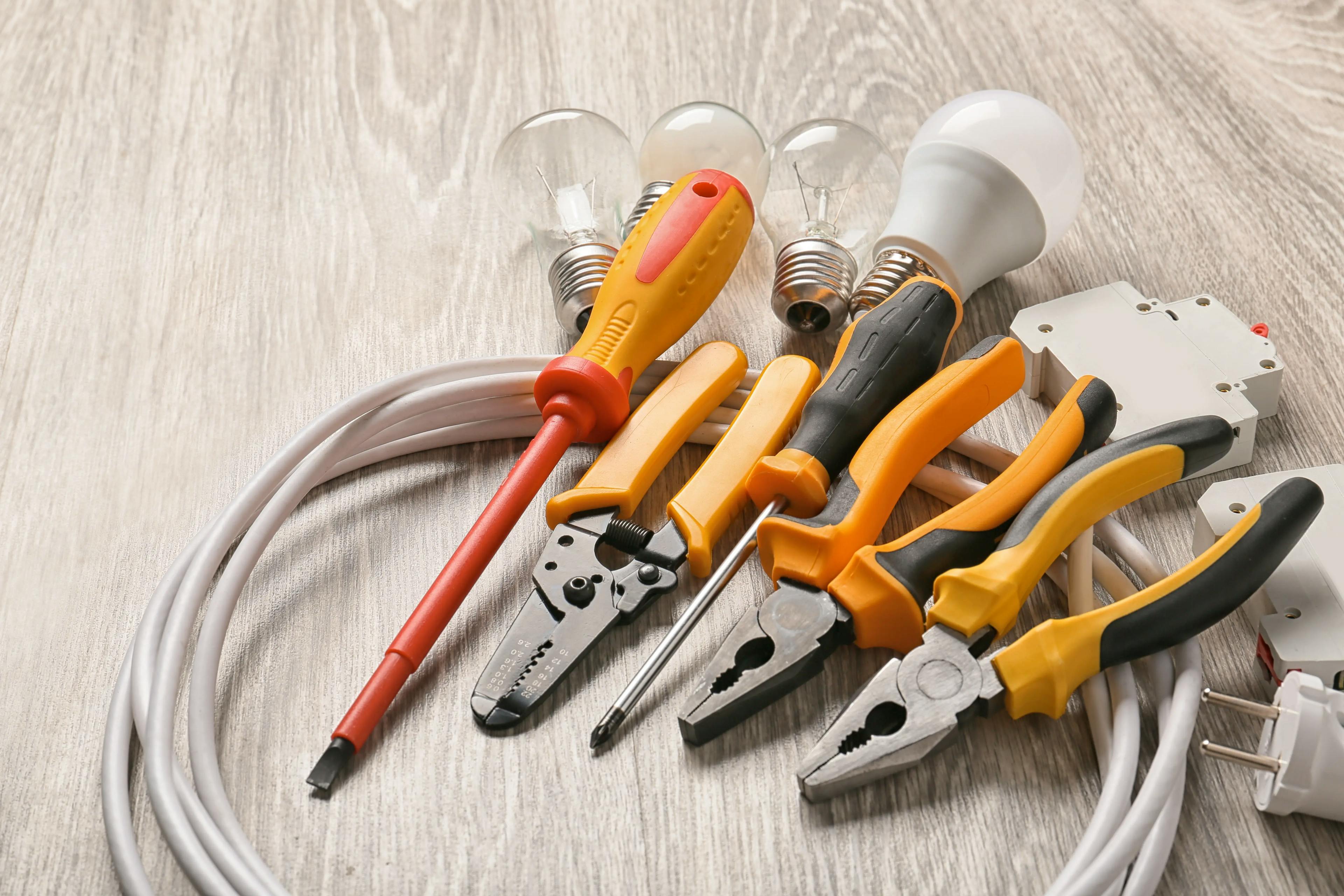
When to Call a Professional: 15 Signs Your Lighting Issue Is Serious
In the realm of home maintenance, few things are as vital as proper lighting. It sets the mood, enhances functionality, and ensures safety. But what happens whe...
Couldn't find the right question?
You can send your question to our support team. We'll get back to you as soon as possible