Ask us anything
Why is the green light on my smoke detector flashing?
A flashing green light on a smoke detector can have different meanings depending on the specific model and manufacturer. However, there are a few common reasons why the green light might be flashing:
1. Normal Operation: In some smoke detectors, a flashing green light indicates that the device is operating correctly. It serves as a visual indication that the smoke detector is powered and functioning properly. If this is the case, it is typically accompanied by a steady green light or no light at all when there is no issue detected.
2. Low Battery: A flashing green light can also indicate a low battery condition in the smoke detector. Many smoke detectors are designed to alert users when the battery needs replacement by flashing a green light. In this case, it is essential to replace the battery promptly to ensure the continued operation and reliability of the smoke detector.
3. Malfunction or Error: Sometimes, a flashing green light on a smoke detector can indicate a malfunction or an error condition. This may occur due to issues with the sensor, internal circuitry, or other components of the smoke detector. In such cases, it is recommended to consult the user manual or contact the manufacturer for troubleshooting steps or guidance. It might be necessary to replace the smoke detector if the issue persists or cannot be resolved.
Interconnected Alarms: If you have multiple interconnected smoke detectors in your home, a flashing green light on one of the units might indicate that the alarm is interconnected and communicating with other units. This is a normal operation and indicates that the smoke detectors are connected to provide a synchronized response in case of an emergency.
It's important to note that the specific meanings of the flashing green light can vary between different smoke detector models and manufacturers. Therefore, referring to the user manual or contacting the manufacturer's customer support can provide the most accurate and detailed information for your particular smoke detector.
In summary, a flashing green light on a smoke detector can indicate normal operation, a low battery condition, a malfunction or error, or interconnection with other alarms. Consulting the user manual or contacting the manufacturer will help identify the specific cause and appropriate course of action for your smoke detector.
1. Normal Operation: In some smoke detectors, a flashing green light indicates that the device is operating correctly. It serves as a visual indication that the smoke detector is powered and functioning properly. If this is the case, it is typically accompanied by a steady green light or no light at all when there is no issue detected.
2. Low Battery: A flashing green light can also indicate a low battery condition in the smoke detector. Many smoke detectors are designed to alert users when the battery needs replacement by flashing a green light. In this case, it is essential to replace the battery promptly to ensure the continued operation and reliability of the smoke detector.
3. Malfunction or Error: Sometimes, a flashing green light on a smoke detector can indicate a malfunction or an error condition. This may occur due to issues with the sensor, internal circuitry, or other components of the smoke detector. In such cases, it is recommended to consult the user manual or contact the manufacturer for troubleshooting steps or guidance. It might be necessary to replace the smoke detector if the issue persists or cannot be resolved.
Interconnected Alarms: If you have multiple interconnected smoke detectors in your home, a flashing green light on one of the units might indicate that the alarm is interconnected and communicating with other units. This is a normal operation and indicates that the smoke detectors are connected to provide a synchronized response in case of an emergency.
It's important to note that the specific meanings of the flashing green light can vary between different smoke detector models and manufacturers. Therefore, referring to the user manual or contacting the manufacturer's customer support can provide the most accurate and detailed information for your particular smoke detector.
In summary, a flashing green light on a smoke detector can indicate normal operation, a low battery condition, a malfunction or error, or interconnection with other alarms. Consulting the user manual or contacting the manufacturer will help identify the specific cause and appropriate course of action for your smoke detector.
Smoke detector warnings should never be ignored. Book a licensed electrician for inspection immediately.

Similar Questions
- Should I flush the heat exchanger and check for leaks on my Noritz NCC300 OD regularly?
- Is it okay if the fan speed varies on my AC21 20 SEER2 Variable Capacity Air Conditioner?
- I just wanted to know what time the electrician will arrive since we have a session today, so the electrician will only get to see the breaker and not the room with the issue.
- Why is outdoor lighting so expensive?
- Why does the water in my house look yellow?
- How do you reset the error code on a Miele washing machine?
- What should be the recommended filter replacement interval for air handling units in the Carrier Weather Series rooftop units, and how can I determine the correct filter size?
- Can I Do Plumbing Myself?
- We need service with our GE Profile top-load dryer. The switch started to get bad little by little, like getting loose. And it's now not working completely. Do you know the charge for that?
- We were scheduled to have somebody come out this morning. I was wondering if we could get a more accurate time between 10 AM and 1 PM. I wanted to get an idea if they are coming on the earlier or later side so we can plan the rest of our day.
Similar Blog

December 28
8978
Home appliances
Understanding the Importance of Oven Maintenance
A well-maintained oven is a kitchen essential that often goes unnoticed until it starts acting up. Whether you're a culinary enthusiast or simply rely on your o...

May 17
7927
Electrical
10 Ways To Use Lighting To Improve Your Home's Ambiance
With a little bit of light installation magic, you can make any room into a cozy, relaxing oasis. Whether you're looking to highlight your home's architectural ...
January 11
5728
Home
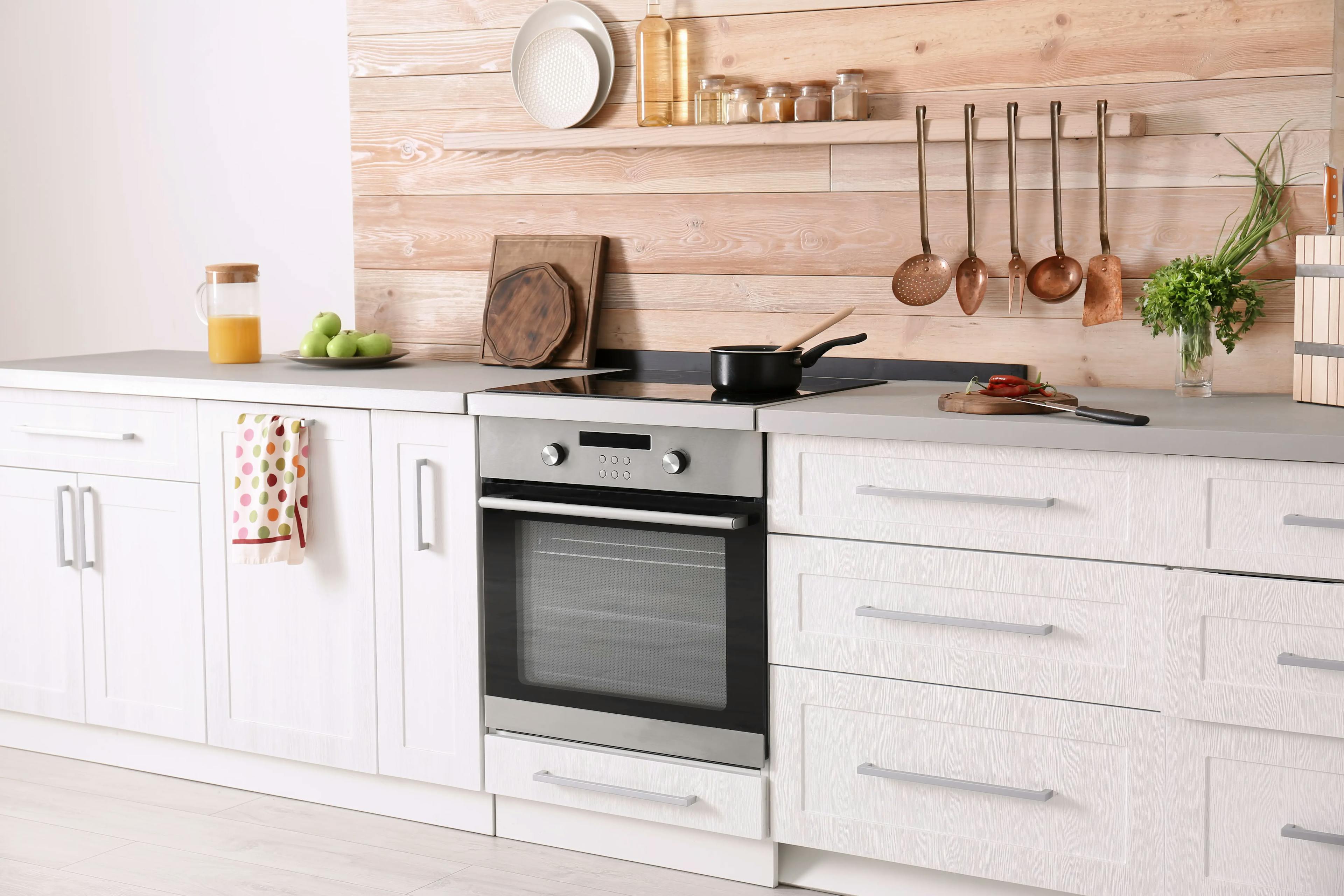
Discovering The Hottest Kitchen Design Trends In 2023
Are you looking to refresh your kitchen? If you love modern design, you don't have to break the bank to upgrade your kitchen. This blog post will cover a few co...
Couldn't find the right question?
You can send your question to our support team. We'll get back to you as soon as possible