Ask us anything
Does Wolf have a recommended cleaning solution for their microwave ovens?
Wolf, a renowned brand for luxury kitchen appliances, may not have a proprietary cleaning solution specifically marketed for their microwave ovens. However, they generally recommend using gentle and non-abrasive cleaning methods to maintain the cleanliness of their appliances.
Here are some guidelines on how to clean a Wolf microwave oven effectively:
1. Use Mild Dish Soap and Water:
For everyday cleaning, a mixture of mild dish soap and warm water is suitable for cleaning the interior and exterior surfaces of your Wolf microwave. Use a soft cloth or sponge dampened with the soapy water to wipe down the surfaces.
2. Avoid Harsh Chemicals:
Wolf, like many other appliance manufacturers, advises against using abrasive or harsh chemicals, including oven cleaners, abrasive scrubbers, and strong solvents, as they can damage the microwave's surfaces.
3. Baking Soda Paste:
If you encounter stubborn stains or food splatters, you can create a paste using baking soda and water. Apply the paste to the affected area, let it sit for a few minutes, and then gently scrub with a soft cloth or sponge. Rinse thoroughly with clean water.
4. Microwave-Safe Bowl of Water:
To help loosen dried-on spills and stains inside the microwave, you can place a microwave-safe bowl filled with water and a slice of lemon (or a few tablespoons of lemon juice) inside the microwave. Heat the mixture for a couple of minutes until it steams, then let it sit for a few more minutes. The steam will help soften residue, making it easier to wipe away.
5. Glass and Stainless Steel Surfaces:
If your Wolf microwave has glass or stainless steel surfaces, you can use glass cleaner for the glass portions and a stainless steel cleaner for the stainless steel components. Be sure to follow the manufacturer's instructions for these cleaners.
6. Microwave Turntable and Accessories:
Remove and clean the microwave turntable and any accessories separately. These can usually be washed in warm, soapy water or placed in the dishwasher, depending on the manufacturer's recommendations.
7. Regular Cleaning:
To prevent the buildup of residue and odors, make it a habit to clean the microwave regularly, especially after any spills or food explosions.
8. Ventilation and Filters:
If your Wolf microwave has a ventilation system, check and clean the filters regularly according to the manufacturer's instructions. This helps maintain proper airflow and prevents odors.
While Wolf may not have a specific cleaning solution for their microwave ovens, following these general cleaning guidelines should help keep your microwave clean and in good condition. Always consult the user manual provided with your Wolf microwave for any manufacturer-specific cleaning recommendations. Additionally, I recommend visiting the official Wolf website or contacting their customer support for any updates or recommendations related to cleaning their microwave ovens.

Similar Questions
- How can I conduct regular maintenance on the Noritz NR83 DVC tankless water heater to prolong its lifespan?
- How do I program the sleep mode settings on the Amana Series air conditioner model AEL06LXL1 for energy-efficient cooling at night?
- What are the best practices for maintaining the JHVT Variable Speed Air Handler to ensure optimal airflow?
- How do I schedule an appointment ?
- Is it ok to replace the igniter on the Noritz NC380 as a DIY repair, or should I seek professional help?
- I need somebody to check my Frigidaire dishwasher. It could be the latch or the sensor, but all I know is that the door won't close.
- What should be done to troubleshoot and address potential air circulation problems with the York YC2D 13.4 SEER2 Single Stage Air Conditioner?
- Why Are There Blue-Green Stains in My Sink?
- How to replace the control board in a Rinnai tankless water heater from the REP Model Series, like the REP160iP?
- GE Monogram refrigerator ZIR36NMDRH evaporator coil rusting, how to fix it?
Similar Blog
March 17
7646
Electrical
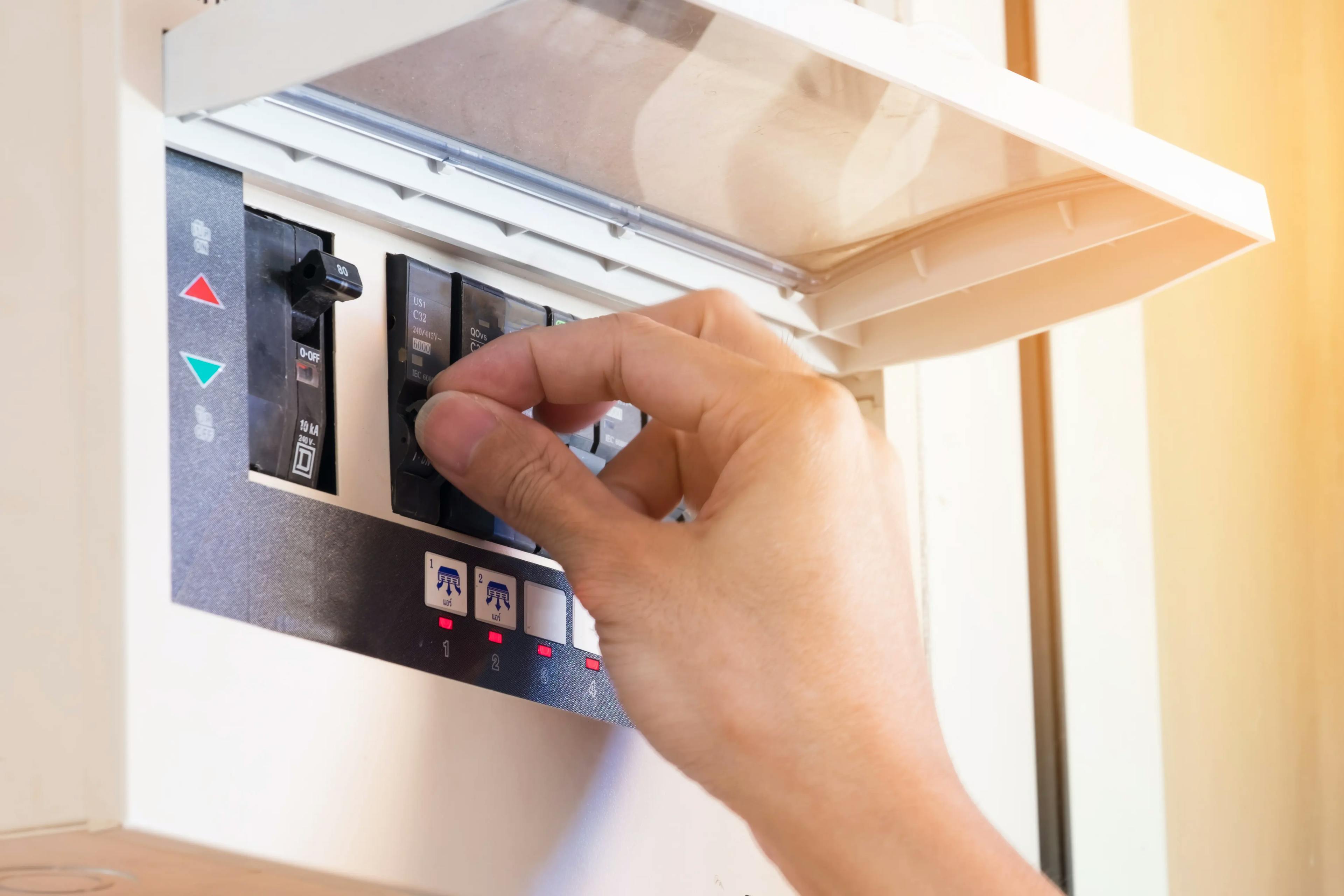
6 Possible Reasons Why A Main Breaker Fails
Electricity is essential in enabling us to live our daily lives, powering every aspect of our homes and offices. However, with such reliance on electricity come...
May 19
7896
Plumbing
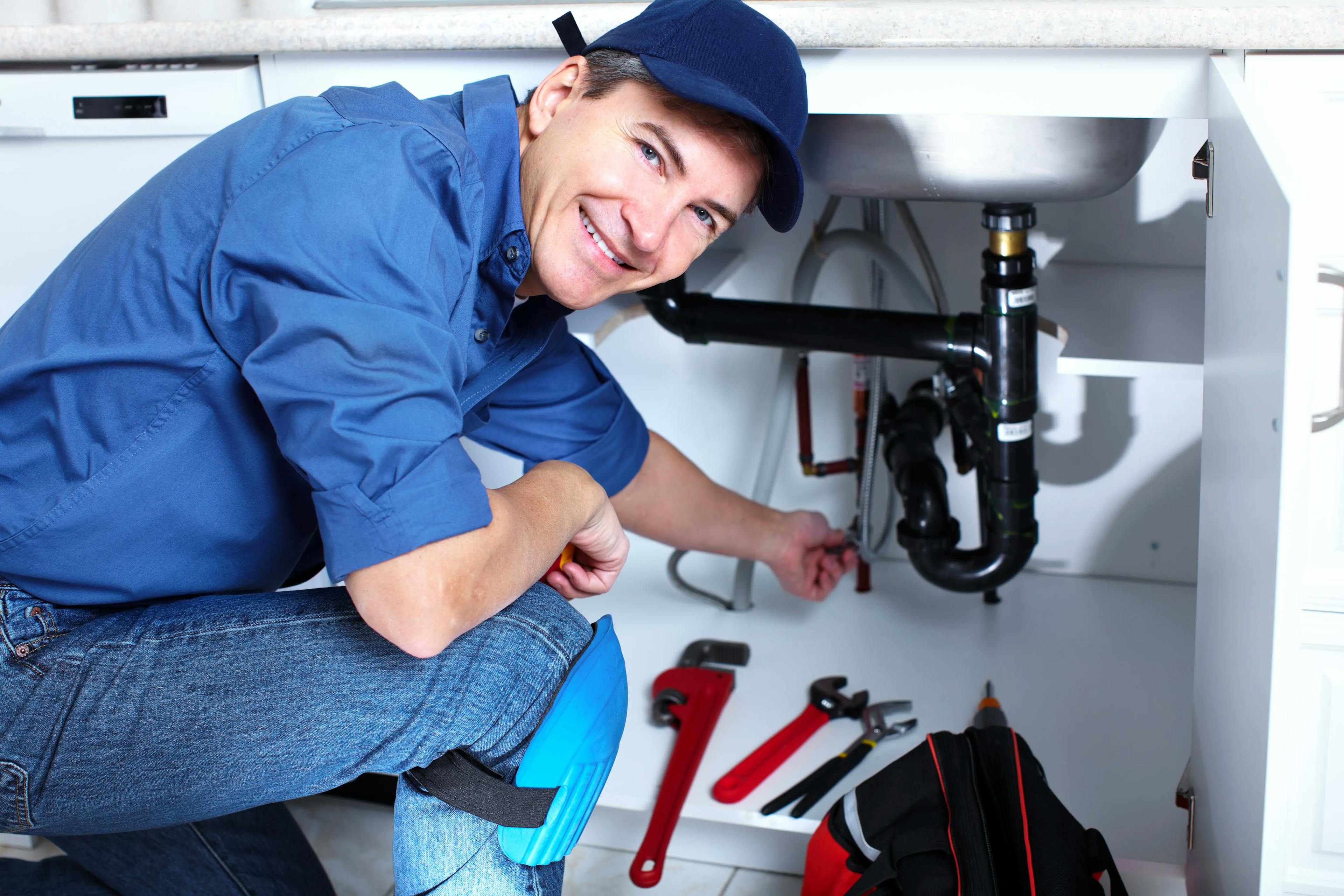
The Pros and Cons of DIY Plumbing Repairs
Let's dive into the fascinating world of plumbing repair service and unlock the secrets to a well-functioning kingdom of pipes! Pros of DIY Plumbing Repairs ...

January 12
7882
Home appliances
The Integration of Robotics in Appliance Manufacturing and Repair
Robotics has brought about a revolution in the appliance repair industry by increasing customer happiness and efficiency. Aspects of the repair process have bee...
Couldn't find the right question?
You can send your question to our support team. We'll get back to you as soon as possible