Ask us anything
Is it okay to switch to a different venting system on my Takagi T-M50-N unit if needed?
Switching to a different venting system on your Takagi T-M50-N tankless water heater is not a decision to be taken lightly. The venting system is a critical component of the unit's safe and efficient operation, and any changes to it must be made carefully, following manufacturer guidelines and local building codes. Here are some important considerations if you're thinking about switching to a different venting system:
Manufacturer Recommendations:
Takagi, like other manufacturers, provides specific guidelines and recommendations for venting systems in the user manual and installation instructions. It's essential to follow these guidelines to ensure the safe and proper operation of your tankless water heater. Deviating from these recommendations without a valid reason can void your warranty and may result in performance issues or safety hazards.
Compatibility:
Before considering a switch to a different venting system, you must determine if the new system is compatible with your Takagi T-M50-N unit. The compatibility factors include the size and type of venting materials, the length and configuration of the venting, and the vent termination requirements. Consulting with a qualified HVAC technician or a Takagi authorized service provider is advisable to ensure compatibility and compliance with manufacturer specifications.
Local Building Codes:
Local building codes and regulations play a crucial role in the venting of gas-fired appliances. These codes are designed to ensure safety and proper ventilation. Any changes to the venting system must comply with these codes. Failure to do so can result in safety hazards, legal issues, and insurance complications. It's essential to check with your local building department or consult a professional who is knowledgeable about local codes to ensure compliance.
Venting Material:
Different venting systems use various materials, such as stainless steel, PVC, or aluminum. The choice of venting material can impact the overall safety and efficiency of your tankless water heater. If you're considering switching to a different venting system, make sure the selected material is suitable for your specific installation and complies with both manufacturer recommendations and local codes.
Sizing and Configuration:
The size and configuration of the venting system are critical factors in proper operation. Venting that is too small or improperly configured can lead to backdrafting, improper combustion, and safety hazards. Any changes to the venting system must be carefully calculated and designed to meet the unit's requirements, including proper vent length, diameter, and slope.
Professional Installation:
Switching to a different venting system should always be performed by a licensed and experienced HVAC technician who is familiar with tankless water heater installations. A professional will have the necessary knowledge and tools to assess compatibility, calculate proper venting dimensions, and ensure compliance with local codes. DIY installation of a new venting system is strongly discouraged due to the safety risks involved.
In summary, while it is technically possible to switch to a different venting system on your Takagi T-M50-N tankless water heater if needed, it is a complex process that must be approached with caution and adherence to manufacturer recommendations and local building codes. Consulting with a qualified HVAC technician or a Takagi authorized service provider is essential to ensure safety, efficiency, and compliance with all relevant regulations. Making any changes to the venting system without proper expertise and guidance can lead to serious safety issues and may void your warranty.
Manufacturer Recommendations:
Takagi, like other manufacturers, provides specific guidelines and recommendations for venting systems in the user manual and installation instructions. It's essential to follow these guidelines to ensure the safe and proper operation of your tankless water heater. Deviating from these recommendations without a valid reason can void your warranty and may result in performance issues or safety hazards.
Compatibility:
Before considering a switch to a different venting system, you must determine if the new system is compatible with your Takagi T-M50-N unit. The compatibility factors include the size and type of venting materials, the length and configuration of the venting, and the vent termination requirements. Consulting with a qualified HVAC technician or a Takagi authorized service provider is advisable to ensure compatibility and compliance with manufacturer specifications.
Local Building Codes:
Local building codes and regulations play a crucial role in the venting of gas-fired appliances. These codes are designed to ensure safety and proper ventilation. Any changes to the venting system must comply with these codes. Failure to do so can result in safety hazards, legal issues, and insurance complications. It's essential to check with your local building department or consult a professional who is knowledgeable about local codes to ensure compliance.
Venting Material:
Different venting systems use various materials, such as stainless steel, PVC, or aluminum. The choice of venting material can impact the overall safety and efficiency of your tankless water heater. If you're considering switching to a different venting system, make sure the selected material is suitable for your specific installation and complies with both manufacturer recommendations and local codes.
Sizing and Configuration:
The size and configuration of the venting system are critical factors in proper operation. Venting that is too small or improperly configured can lead to backdrafting, improper combustion, and safety hazards. Any changes to the venting system must be carefully calculated and designed to meet the unit's requirements, including proper vent length, diameter, and slope.
Professional Installation:
Switching to a different venting system should always be performed by a licensed and experienced HVAC technician who is familiar with tankless water heater installations. A professional will have the necessary knowledge and tools to assess compatibility, calculate proper venting dimensions, and ensure compliance with local codes. DIY installation of a new venting system is strongly discouraged due to the safety risks involved.
In summary, while it is technically possible to switch to a different venting system on your Takagi T-M50-N tankless water heater if needed, it is a complex process that must be approached with caution and adherence to manufacturer recommendations and local building codes. Consulting with a qualified HVAC technician or a Takagi authorized service provider is essential to ensure safety, efficiency, and compliance with all relevant regulations. Making any changes to the venting system without proper expertise and guidance can lead to serious safety issues and may void your warranty.

Similar Questions
- How can I enhance the comfort settings and programming of my Trane ComfortLink™ II XL1050 thermostat?
- How deep are gas lines buried in Texas?
- Is it worth the cost to replace the smart dispenser module in the Haier Series dishwasher model HDT18PAW5WW to maintain detergent dispensing accuracy?
- Where is the best location to install the Rheem R98MV Endeavor Line Prestige Series Gas Furnace in my home?
- How often should I descale the steam oven in my Wolf M Series Wall Oven?
- How can I perform regular maintenance on the RSC Model Series, such as the RSC199eP, to prolong its lifespan?
- Does the Rheem R801V DZ Endeavor Line Classic Series Gas Furnace provide significant advantages over the R801V model, making it worth the extra expense?
- How many amps can a 4mm cable carry?
- Does the Lennox EL296E Gas Furnace offer self-cleaning capabilities for ease of maintenance?
- How to replace the fan motor in an Rinnai RLX Model Series tankless water heater, like the RLX94iN?
Similar Blog

March 22
861
Electrical
Get a Spring Electrical Inspection to Prevent Future Issues
When spring arrives, it's the perfect time to address any home maintenance concerns, especially electrical issues that may have been overlooked during the winte...
March 05
9848
Plumbing
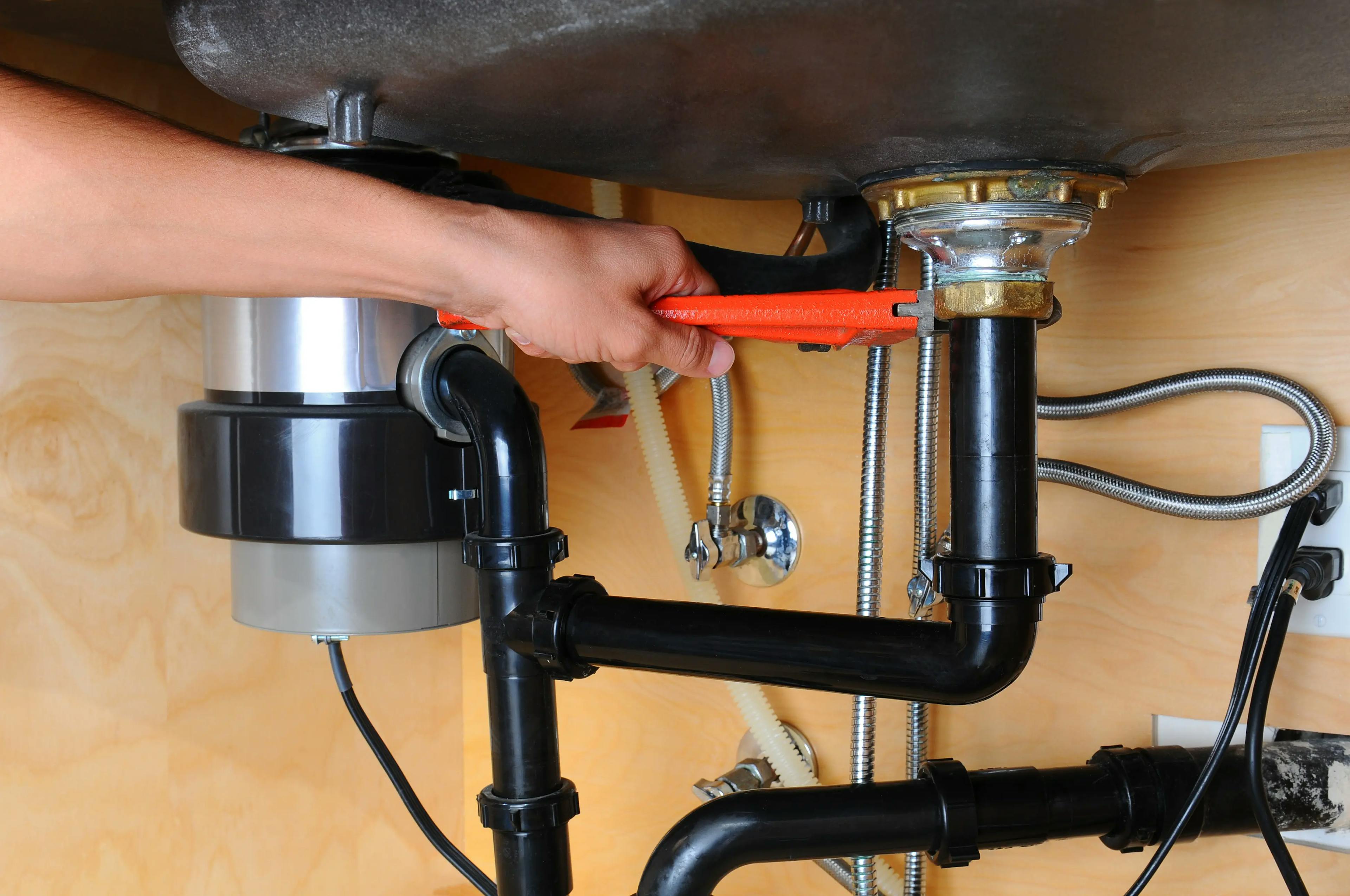
Need a New Garbage Disposal? Here are 3 Things to Consider
In the realm of household appliances, the garbage disposal often stands as an unsung hero, quietly tackling food scraps and keeping our kitchens clean. But when...
March 13
9451
Home appliances
Maximizing Appliance Lifespan Through Regular Maintenance
Ensuring the longevity of household appliances hinges on a simple yet crucial practice: regular maintenance. By adhering to a consistent regular maintenance sch...
Couldn't find the right question?
You can send your question to our support team. We'll get back to you as soon as possible