Ask us anything
Should I consult the user manual for guidance on routine maintenance tasks?
Yes, consulting the user manual for guidance on routine maintenance tasks is highly recommended. The user manual provided by the manufacturer contains valuable information specific to your appliance, including maintenance instructions, safety guidelines, and troubleshooting tips. Here's why referring to the user manual is essential for routine maintenance:
1. Manufacturer's Recommendations: The user manual provides detailed instructions from the manufacturer on how to care for and maintain your specific appliance. These instructions are tailored to your model's design and features.
2. Safety Guidelines: The user manual includes essential safety guidelines to follow while performing maintenance tasks. These guidelines help you avoid accidents, injuries, and potential hazards associated with your appliance.
3. Maintenance Schedule: The manual typically outlines a maintenance schedule, indicating when and how often you should perform specific maintenance tasks. Following this schedule helps keep your appliance in good working condition.
4. Proper Techniques: The manual provides step-by-step instructions on how to perform maintenance tasks correctly. This ensures that you don't inadvertently damage the appliance while trying to maintain it.
5. Troubleshooting: If you encounter issues with your appliance, the manual often includes a troubleshooting section that can help you identify common problems and potential solutions. This can save you time and money on unnecessary service calls.
6. Warranty Compliance: Some manufacturers require that you follow the maintenance guidelines outlined in the user manual to maintain your appliance's warranty. Neglecting these recommendations could void your warranty.
7. Appliance-Specific Information: Your appliance may have unique features or components that require specialized maintenance. The user manual provides details on how to care for these specific elements.
8. Efficiency and Performance: Proper maintenance can significantly impact your appliance's efficiency and performance. Following the manufacturer's guidelines ensures that you're taking the right steps to optimize its functionality.
9. Preventive Maintenance: Regular maintenance helps prevent problems before they occur. The user manual can guide you on preventive maintenance tasks that keep your appliance in top condition.
10. Safety Codes and Regulations: The manual may include information on local safety codes and regulations that pertain to the installation and maintenance of your appliance. Adhering to these codes is essential for safety and compliance.
11. Environmental Considerations: Some appliances, like refrigerators or air conditioners, may contain components that require special disposal or recycling procedures. The manual can provide guidance on environmentally responsible practices.
In summary, the user manual is an invaluable resource for understanding how to properly care for and maintain your appliance. It provides appliance-specific guidance, safety information, and a maintenance schedule to help you keep your appliance running smoothly and extend its lifespan. Always keep your user manual in a safe and accessible place for quick reference when needed.
1. Manufacturer's Recommendations: The user manual provides detailed instructions from the manufacturer on how to care for and maintain your specific appliance. These instructions are tailored to your model's design and features.
2. Safety Guidelines: The user manual includes essential safety guidelines to follow while performing maintenance tasks. These guidelines help you avoid accidents, injuries, and potential hazards associated with your appliance.
3. Maintenance Schedule: The manual typically outlines a maintenance schedule, indicating when and how often you should perform specific maintenance tasks. Following this schedule helps keep your appliance in good working condition.
4. Proper Techniques: The manual provides step-by-step instructions on how to perform maintenance tasks correctly. This ensures that you don't inadvertently damage the appliance while trying to maintain it.
5. Troubleshooting: If you encounter issues with your appliance, the manual often includes a troubleshooting section that can help you identify common problems and potential solutions. This can save you time and money on unnecessary service calls.
6. Warranty Compliance: Some manufacturers require that you follow the maintenance guidelines outlined in the user manual to maintain your appliance's warranty. Neglecting these recommendations could void your warranty.
7. Appliance-Specific Information: Your appliance may have unique features or components that require specialized maintenance. The user manual provides details on how to care for these specific elements.
8. Efficiency and Performance: Proper maintenance can significantly impact your appliance's efficiency and performance. Following the manufacturer's guidelines ensures that you're taking the right steps to optimize its functionality.
9. Preventive Maintenance: Regular maintenance helps prevent problems before they occur. The user manual can guide you on preventive maintenance tasks that keep your appliance in top condition.
10. Safety Codes and Regulations: The manual may include information on local safety codes and regulations that pertain to the installation and maintenance of your appliance. Adhering to these codes is essential for safety and compliance.
11. Environmental Considerations: Some appliances, like refrigerators or air conditioners, may contain components that require special disposal or recycling procedures. The manual can provide guidance on environmentally responsible practices.
In summary, the user manual is an invaluable resource for understanding how to properly care for and maintain your appliance. It provides appliance-specific guidance, safety information, and a maintenance schedule to help you keep your appliance running smoothly and extend its lifespan. Always keep your user manual in a safe and accessible place for quick reference when needed.

Similar Questions
- How to replace the expansion valve in my Goodman GSZ14 heat pump for proper refrigerant flow?
- Which color is the king of colors?
- Does your appliance repair service come with a guarantee?
- What should I do to troubleshoot the TM8V 80% AFUE Two Stage Variable Speed Furnace if it fails to provide sufficient heat?
- Is it okay to install a Rinnai RSC Model Series tankless water heater, like the RSC160iN, in a small apartment?
- Is this KitchenAid Repair? Do you guys only do KitchenAid appliances? I actually have a KitchenAid refrigerator that needs some servicing.
- What should be the considerations for venting options when installing the Noritz NCC300 DV?
- Is it worth selecting a Rinnai tankless water heater from the V Model Series, like the V75iN, for its space-saving design?
- I'm looking to put in one of these ductless air conditioning units. I'm just wondering if I could request someone to come to my home and give me a quote on how much it would cost.
- I have a leak through my ceiling only when I use my shower.
Similar Blog
January 27
3361
Heating and Cooling
Types Of Heating Systems
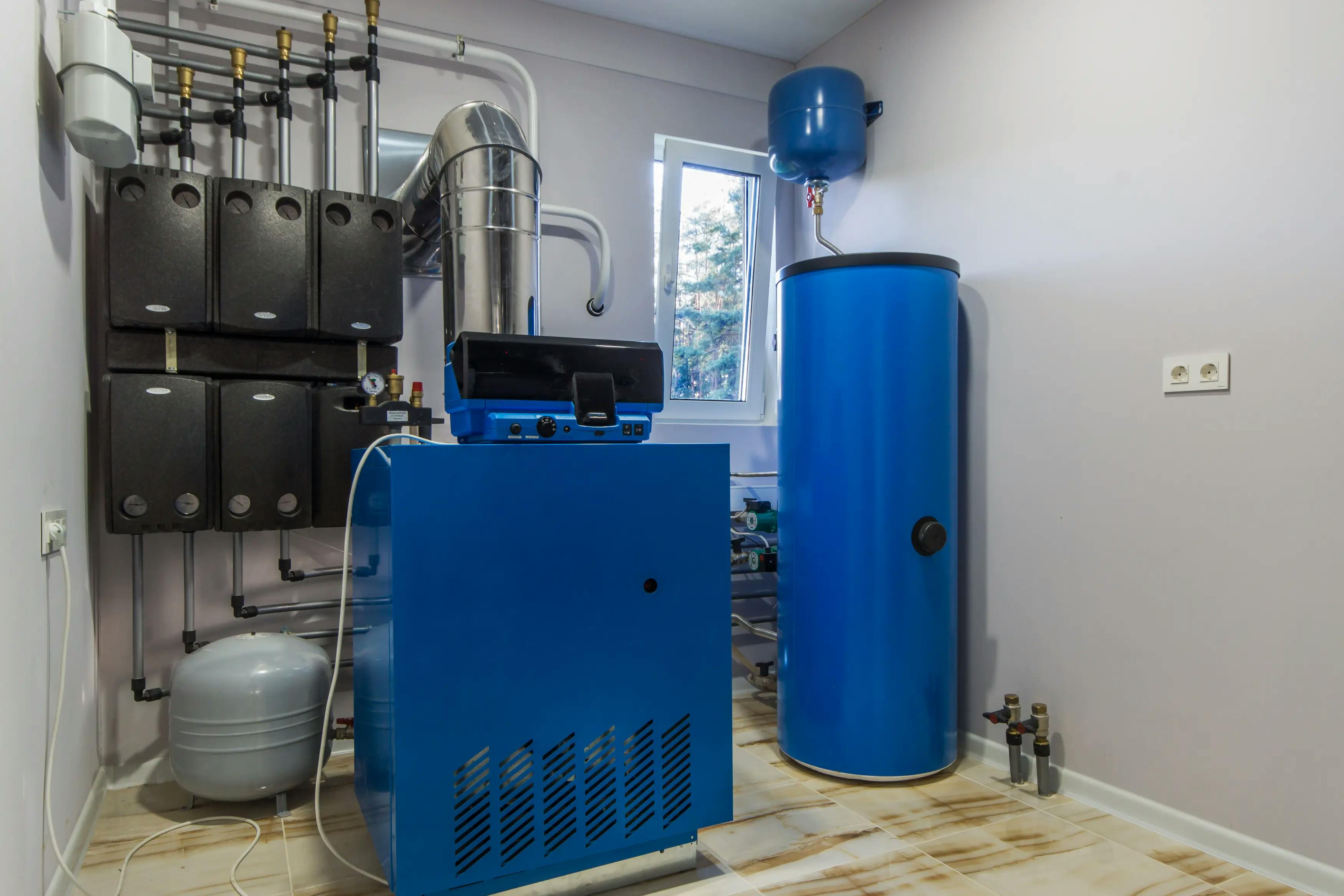
Raising the thermostat when the weather is colder is simple to keep your house comfortable. The appropriate home heating system may reduce the load on your ther...

August 28
7378
Electrical
Understanding Ground Fault Circuit Interrupter (GFCI): Ensuring Electrical Safety at Home
Welcome to our informative blog post dedicated to demystifying an essential electrical component – the Ground Fault Circuit Interrupter (GFCI). In the pursuit o...
February 02
10003
Heating and Cooling
Troubleshooting Your Air Conditioner: Why Is It Not Blowing Cold Air?
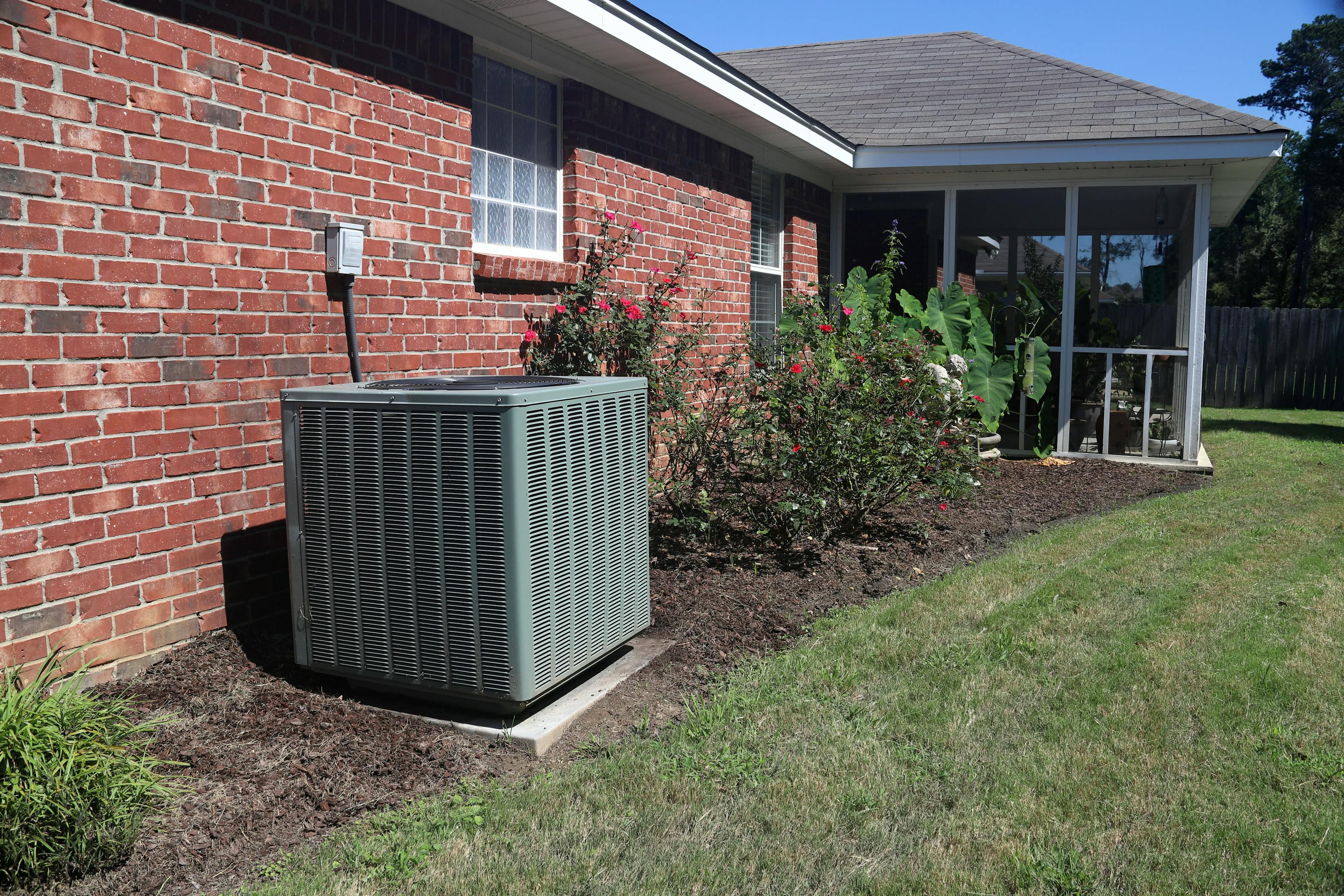
Is your air conditioner leaving you hot and bothered when it should be delivering a cool oasis? You're not alone. A malfunctioning AC can quickly turn your comf...
Couldn't find the right question?
You can send your question to our support team. We'll get back to you as soon as possible