Ask us anything
How do I troubleshoot and maintain the refrigerant levels on the York YC2E 14.3 SEER2 Single Stage Air Conditioner to avoid cooling issues?
Troubleshooting and maintaining the refrigerant levels in your York YC2E 14.3 SEER2 Single Stage Air Conditioner is essential for preventing cooling issues and ensuring the efficient operation of your system. Low refrigerant levels can lead to reduced cooling capacity and potential damage to the compressor. Here's a step-by-step guide to help you with this task:
Troubleshooting Refrigerant Issues:
* Check for Common Symptoms:
Keep an eye out for signs that may indicate low refrigerant levels, such as reduced cooling performance, longer cooling cycles, warm air blowing from vents, or ice buildup on the indoor or outdoor unit.
* Inspect for Refrigerant Leaks:
Look for any visible signs of refrigerant leaks around the indoor and outdoor units. Leaks may appear as oily or greasy spots on the refrigerant lines or components.
If you suspect a leak, it's essential to contact a licensed HVAC technician for a leak detection and repair service. Refrigerant handling requires specific equipment and expertise.
Maintaining Refrigerant Levels:
* Schedule Professional Maintenance:
The most reliable way to ensure proper refrigerant levels and overall system performance is to schedule annual professional maintenance with a qualified HVAC technician. During maintenance, the technician will check and adjust the refrigerant levels if necessary.
They will also inspect the entire system, clean the coils, and perform any other required maintenance tasks to keep your air conditioner in top condition.
* Avoid DIY Refrigerant Charging:
Refrigerant work should only be performed by certified HVAC technicians with the proper equipment and knowledge. Attempting to add refrigerant yourself can result in overcharging or damaging the system, which can be costly to repair.
* Monitor Performance:
Keep an eye on the cooling performance of your air conditioner. If you notice any changes in efficiency or cooling capacity, such as reduced cooling or longer cooling cycles, it may indicate a refrigerant issue.
Pay attention to unusual noises, such as hissing sounds near the refrigerant lines, which could be a sign of a leak.
* Maintain a Clean Condenser Coil:
A clean condenser coil in the outdoor unit ensures efficient heat exchange, which indirectly impacts refrigerant performance. Periodically clean the condenser coil by gently hosing it down to remove dirt and debris.
* Check for Proper Airflow:
Proper airflow is essential for efficient heat exchange in your air conditioning system. Ensure that air vents and registers are open and unblocked to allow for adequate airflow.
Regularly replace or clean air filters to prevent reduced airflow caused by clogged filters.
* Protect the Outdoor Unit:
Keep the outdoor unit free from debris, leaves, and vegetation. Ensure there is at least 2 feet of clear space around the unit for proper ventilation.
* Seal Ductwork and Insulate:
Leaky ducts can lead to cooled air loss and increased strain on your air conditioner. Seal any visible ductwork leaks and consider insulating ducts in unconditioned spaces.
* Use a Programmable Thermostat:
A programmable thermostat can help optimize your cooling system's operation, reducing the need for excessive cooling and potential refrigerant issues.
* Educate Yourself:
Familiarize yourself with the basics of your air conditioning system, including the type of refrigerant it uses, so you can better communicate with HVAC professionals if you suspect a problem.
Remember that refrigerant-related work should be left to professionals. Attempting to add refrigerant or fix leaks without the proper training and equipment can lead to safety hazards and costly damage. Regular professional maintenance is the best approach to ensure the proper refrigerant levels and efficient operation of your York YC2E 14.3 SEER2 Single Stage Air Conditioner while avoiding potential cooling issues.
Troubleshooting Refrigerant Issues:
* Check for Common Symptoms:
Keep an eye out for signs that may indicate low refrigerant levels, such as reduced cooling performance, longer cooling cycles, warm air blowing from vents, or ice buildup on the indoor or outdoor unit.
* Inspect for Refrigerant Leaks:
Look for any visible signs of refrigerant leaks around the indoor and outdoor units. Leaks may appear as oily or greasy spots on the refrigerant lines or components.
If you suspect a leak, it's essential to contact a licensed HVAC technician for a leak detection and repair service. Refrigerant handling requires specific equipment and expertise.
Maintaining Refrigerant Levels:
* Schedule Professional Maintenance:
The most reliable way to ensure proper refrigerant levels and overall system performance is to schedule annual professional maintenance with a qualified HVAC technician. During maintenance, the technician will check and adjust the refrigerant levels if necessary.
They will also inspect the entire system, clean the coils, and perform any other required maintenance tasks to keep your air conditioner in top condition.
* Avoid DIY Refrigerant Charging:
Refrigerant work should only be performed by certified HVAC technicians with the proper equipment and knowledge. Attempting to add refrigerant yourself can result in overcharging or damaging the system, which can be costly to repair.
* Monitor Performance:
Keep an eye on the cooling performance of your air conditioner. If you notice any changes in efficiency or cooling capacity, such as reduced cooling or longer cooling cycles, it may indicate a refrigerant issue.
Pay attention to unusual noises, such as hissing sounds near the refrigerant lines, which could be a sign of a leak.
* Maintain a Clean Condenser Coil:
A clean condenser coil in the outdoor unit ensures efficient heat exchange, which indirectly impacts refrigerant performance. Periodically clean the condenser coil by gently hosing it down to remove dirt and debris.
* Check for Proper Airflow:
Proper airflow is essential for efficient heat exchange in your air conditioning system. Ensure that air vents and registers are open and unblocked to allow for adequate airflow.
Regularly replace or clean air filters to prevent reduced airflow caused by clogged filters.
* Protect the Outdoor Unit:
Keep the outdoor unit free from debris, leaves, and vegetation. Ensure there is at least 2 feet of clear space around the unit for proper ventilation.
* Seal Ductwork and Insulate:
Leaky ducts can lead to cooled air loss and increased strain on your air conditioner. Seal any visible ductwork leaks and consider insulating ducts in unconditioned spaces.
* Use a Programmable Thermostat:
A programmable thermostat can help optimize your cooling system's operation, reducing the need for excessive cooling and potential refrigerant issues.
* Educate Yourself:
Familiarize yourself with the basics of your air conditioning system, including the type of refrigerant it uses, so you can better communicate with HVAC professionals if you suspect a problem.
Remember that refrigerant-related work should be left to professionals. Attempting to add refrigerant or fix leaks without the proper training and equipment can lead to safety hazards and costly damage. Regular professional maintenance is the best approach to ensure the proper refrigerant levels and efficient operation of your York YC2E 14.3 SEER2 Single Stage Air Conditioner while avoiding potential cooling issues.

Similar Questions
- What should be the ideal temperature setting for hot water in my Takagi TK-540X3-PIH unit?
- How much does a professionally designed and installed LED system cost?
- How long does it take for a 40 gallon electric water heater to fill up?
- When Is it Time to Call an Electrician?
- Is it okay for the YC2D 13.4 SEER2 Single Stage Air Conditioner to experience temperature fluctuations in the house?
- how to fix frozen freezer door on sub zero 550
- How to fix the handle on the GE Monogram beverage refrigerator?
- Should I inspect and clean the heat exchanger in my tankless water heater Takagi TK-240X3-NIH?
- How can I prevent scale buildup in my Takagi TK-240X3-NIH tankless water heater?
- How to clean and replace the pilot assembly in the YPLC 80% AFUE Modulating Gas Furnace?
Similar Blog

June 06
9686
Home appliances
Oven Won't Turn On: Troubleshooting and Fixing the Issue
The anticipation of a delicious home-cooked meal quickly fades when you encounter a stubborn oven that simply refuses to turn on. Don't let this setback dampen ...
March 24
9211
Home appliances
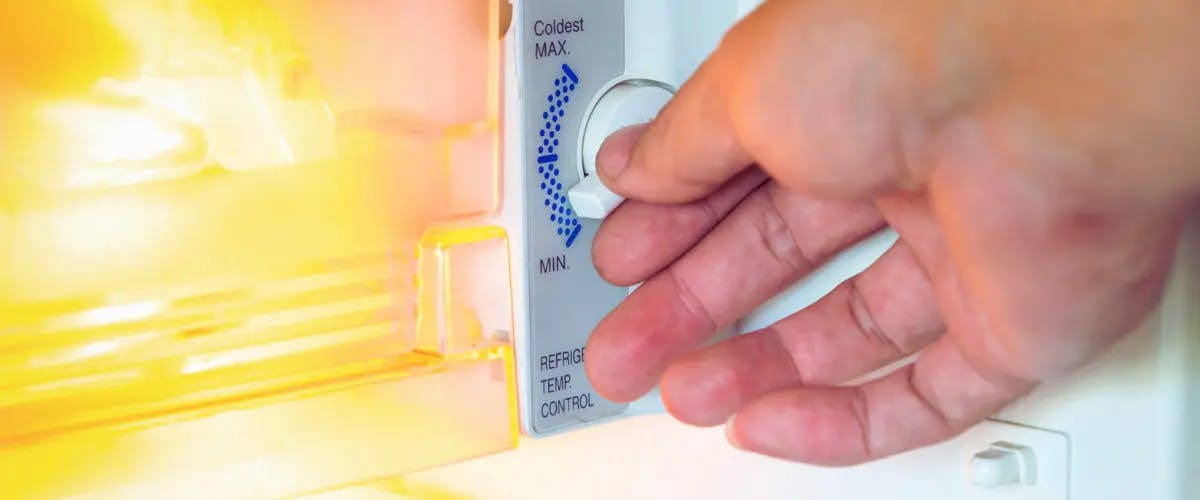
Maximizing Food Freshness: The Optimal Refrigerator and Freezer Temperature Settings
In the realm of food preservation, maintaining optimal freshness is key. One fundamental factor often overlooked is the ideal refrigerator temperature. Join us ...
March 27
9191
Home appliances
Maximizing Energy Efficiency in Your Home with Appliance Upgrades
There are several advantages to switching to Energy Star-certified appliances for the environment and your pocketbook. Compared to non-certified models, these a...
Couldn't find the right question?
You can send your question to our support team. We'll get back to you as soon as possible